
Start early in the old city
Walk the pols in the cool of the morning, wear shoes you can slip off at temples and mosques, and cover shoulders and knees.
Gujarat · India's first World Heritage City
Ahmedabad's walled old city became India's first UNESCO World Heritage City in 2017. Come for the carved houses of the pols, the stone screens of its mosques, Gandhi's ashram and the stepwells at Adalaj and Patan.
Sultan Ahmed Shah founded Ahmedabad on the Sabarmati in 1411, and its old city on the east bank still holds Bhadra Fort and the Teen Darwaza gateway, the Jama Masjid, Hindu and Jain temples, and the pols, gated neighbourhoods of houses along a shared lane, many with carved wooden fronts.
Gandhi made Ahmedabad his base from 1915, and in 1930 the Salt March set out from his ashram on the Sabarmati. Ahmedabad is also Gujarat's largest city and its natural gateway: the stepwells at Adalaj and Patan, the Sun Temple at Modhera and the Statue of Unity are all within a day's drive, and Udaipur is about 260 km away.
What to see
Gandhi's home from 1917 to 1930, with Hriday Kunj, his plain cottage, and a museum of letters and photographs; the Salt March left from here on 12 March 1930. The precinct has been under redevelopment, so check what is open.
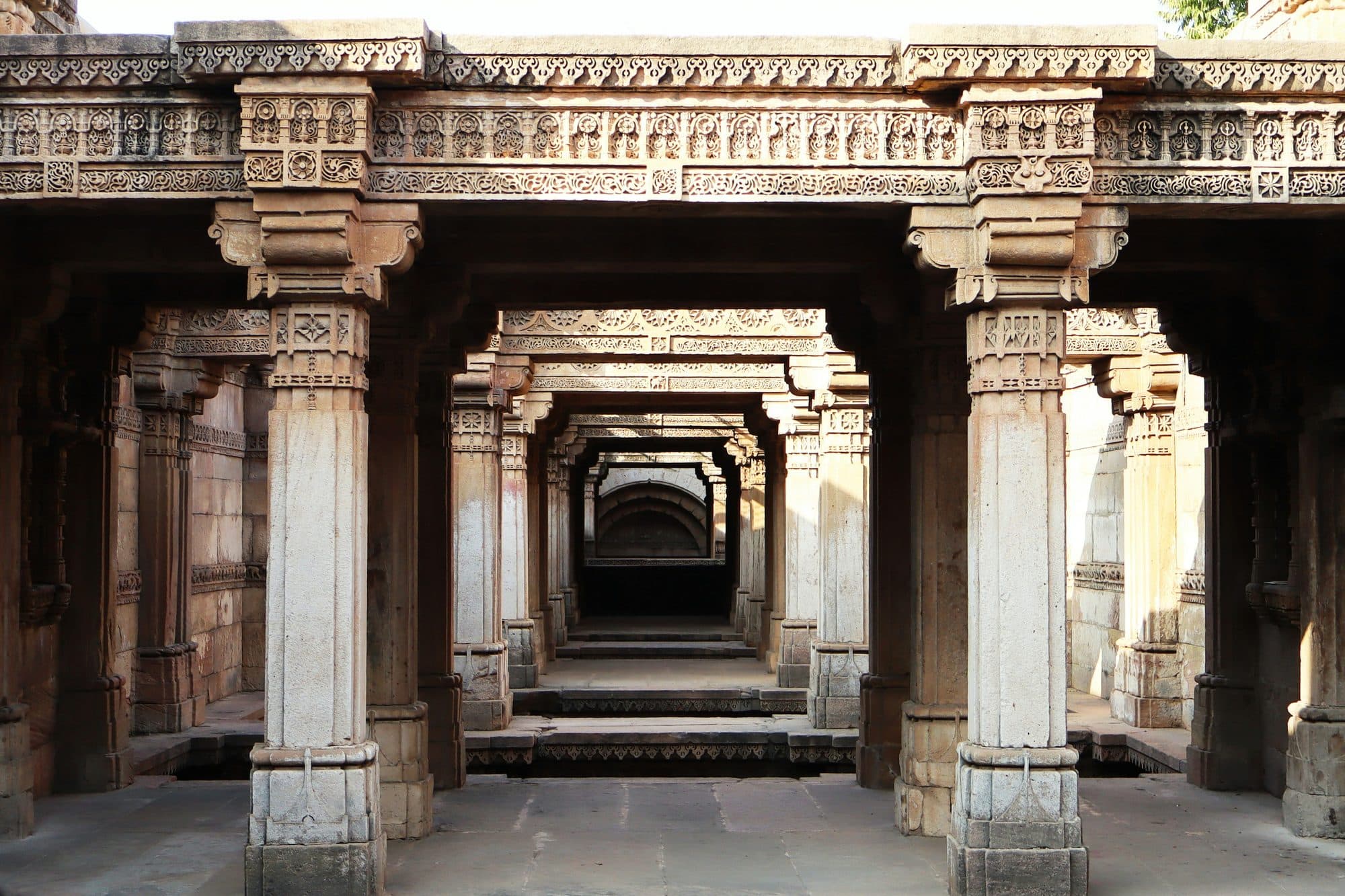
A stepwell (vav) built in 1498, about 18 km north of the city, going five storeys down to the water, with carved pillars and balconies at every level.
A small mosque completed in 1572–73, known for its jalis (carved stone lattice windows). The one carved with intertwined trees has become the city's unofficial emblem.
Ahmed Shah's Friday mosque, completed in 1424 near Teen Darwaza, with a prayer hall of about 260 columns under fifteen domes and a wide marble courtyard.
Centuries of Indian textiles at the Sarabhai Foundation in Shahibaug. Visits are by guided tour only, booked well ahead, and phones and bags are not allowed in.
Things to do
The old city's morning heritage walk usually starts around 8 am at the Swaminarayan temple in Kalupur and ends at the Jama Masjid about two and a half hours later, past carved houses and chabutros (bird-feeding towers).
Late in the evening this old-city market square fills with food stalls selling pav bhaji, toasted sandwiches, dosas and kulfi until around midnight.
A day out to the early 11th-century Sun Temple at Modhera, about 100 km north, and Rani ki Vav at Patan, a UNESCO-listed stepwell carved with hundreds of sculptures. Patan still weaves patola, a silk woven from tie-dyed threads.
Kites fill the sky for Uttarayan in mid-January; Navratri, usually in September or October, brings nine nights of garba, Gujarat's circle dance.
When to go
November to February is the most comfortable time, with mild days and cool evenings. April to June is very hot, the monsoon (July to September) is humid and wet, and Navratri usually falls in September or October.
Getting there
Local knowledge
Walk the pols in the cool of the morning, wear shoes you can slip off at temples and mosques, and cover shoulders and knees.
Tours run on set days in small groups and fill weeks ahead, so confirm the current schedule before you plan a day around it.
Ahmedabad eats largely vegetarian, from a Gujarati thali (a platter of small dishes) to street snacks. Gujarat restricts the sale of alcohol; visitors can apply for a temporary permit, but check the current rules.
Questions
Ahmedabad's walled old city was inscribed by UNESCO in 2017 as India's first World Heritage City, for its 15th-century Sultanate monuments, its temples and its pols, gated neighbourhoods of carved wooden houses that are still lived in.
Two nights in Ahmedabad cover the old city, Sabarmati Ashram and Adalaj stepwell, plus a full day for the Sun Temple at Modhera and Rani ki Vav at Patan.
Rani ki Vav at Patan is about 125 km north of Ahmedabad, about 2.5 hours by road, and is usually combined in one day with the Sun Temple at Modhera, about 35 km away.
The best time to visit Ahmedabad is November to February, when days are mild. Uttarayan, the kite festival, falls in mid-January, and April to June is very hot.
Combine it with
Gujarat
The world's tallest statue
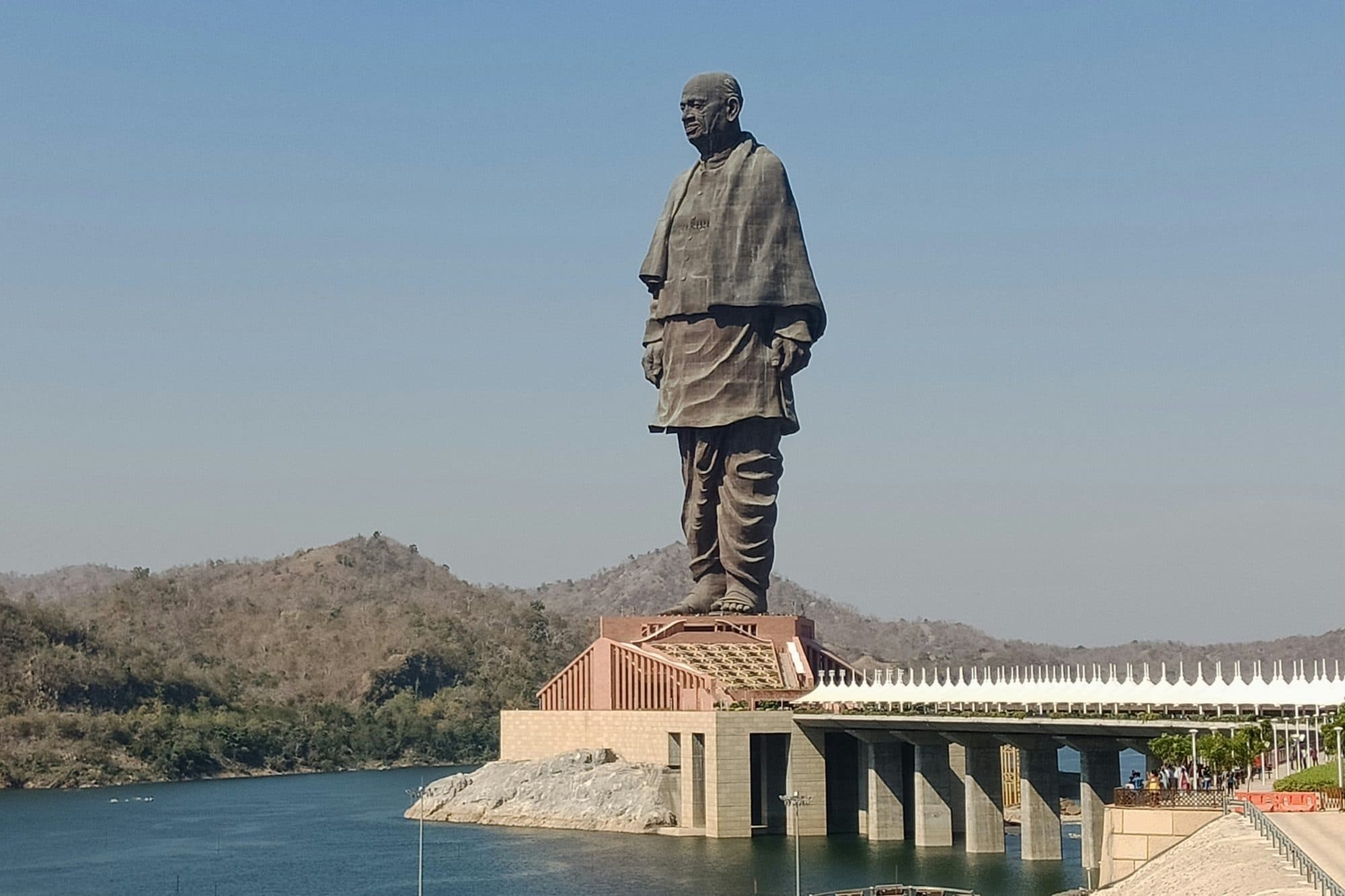
The 182 m statue of Sardar Vallabhbhai Patel on the Narmada, the world's tallest, with a viewing gallery, the dam and an evening laser show.
Best: Oct–Feb
Rajasthan
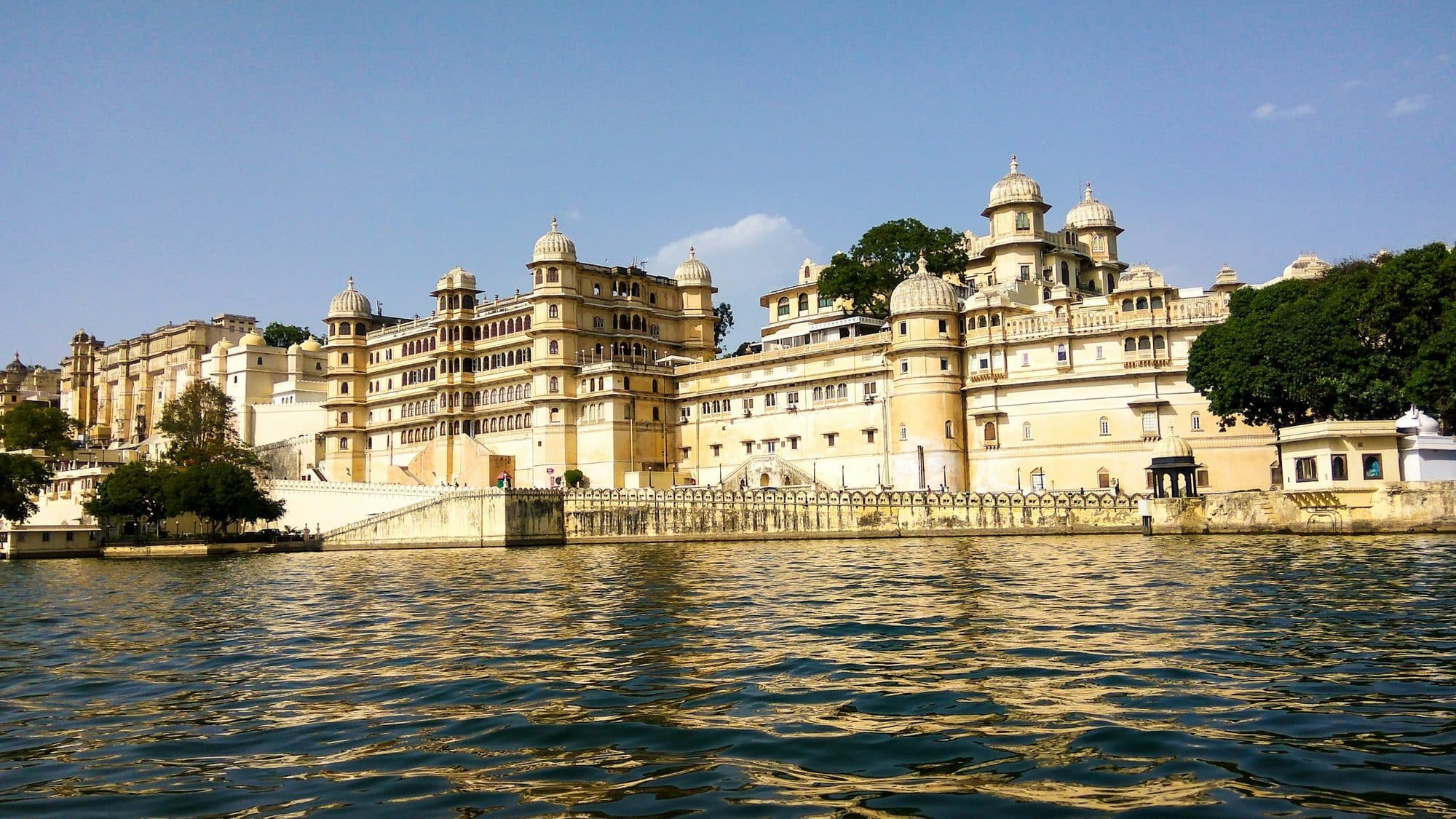
The City of Lakes
Mewar's old capital: palaces on Lake Pichola, hills all around, and Kumbhalgarh, Ranakpur and Chittorgarh within a day's drive.
Best: Nov–Feb
Rajasthan
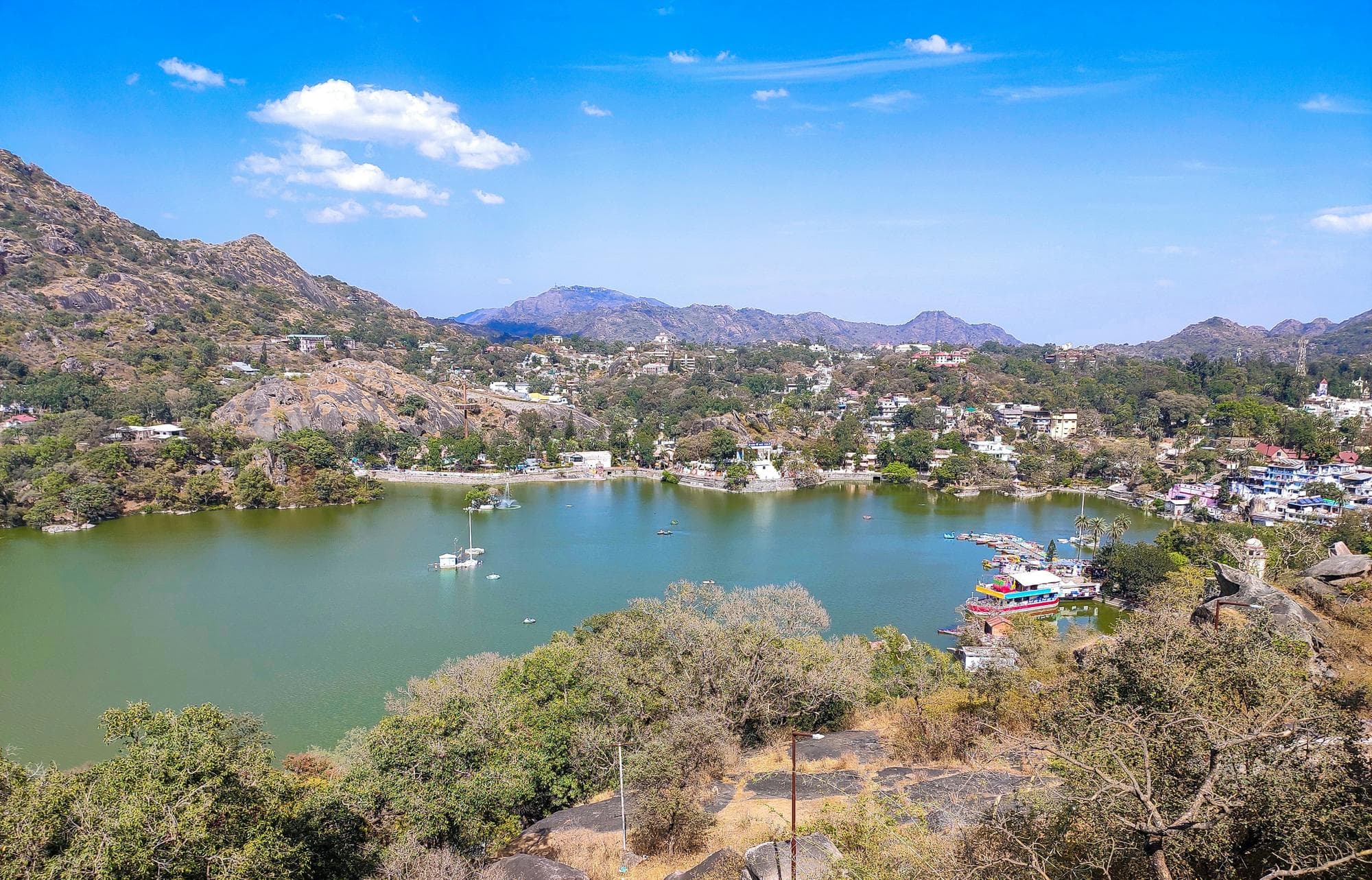
Rajasthan's only hill station, with the marble Dilwara temples, Nakki Lake and cooler air, close to Udaipur and the Gujarat border.
Best: Feb–Mar, Oct–Nov
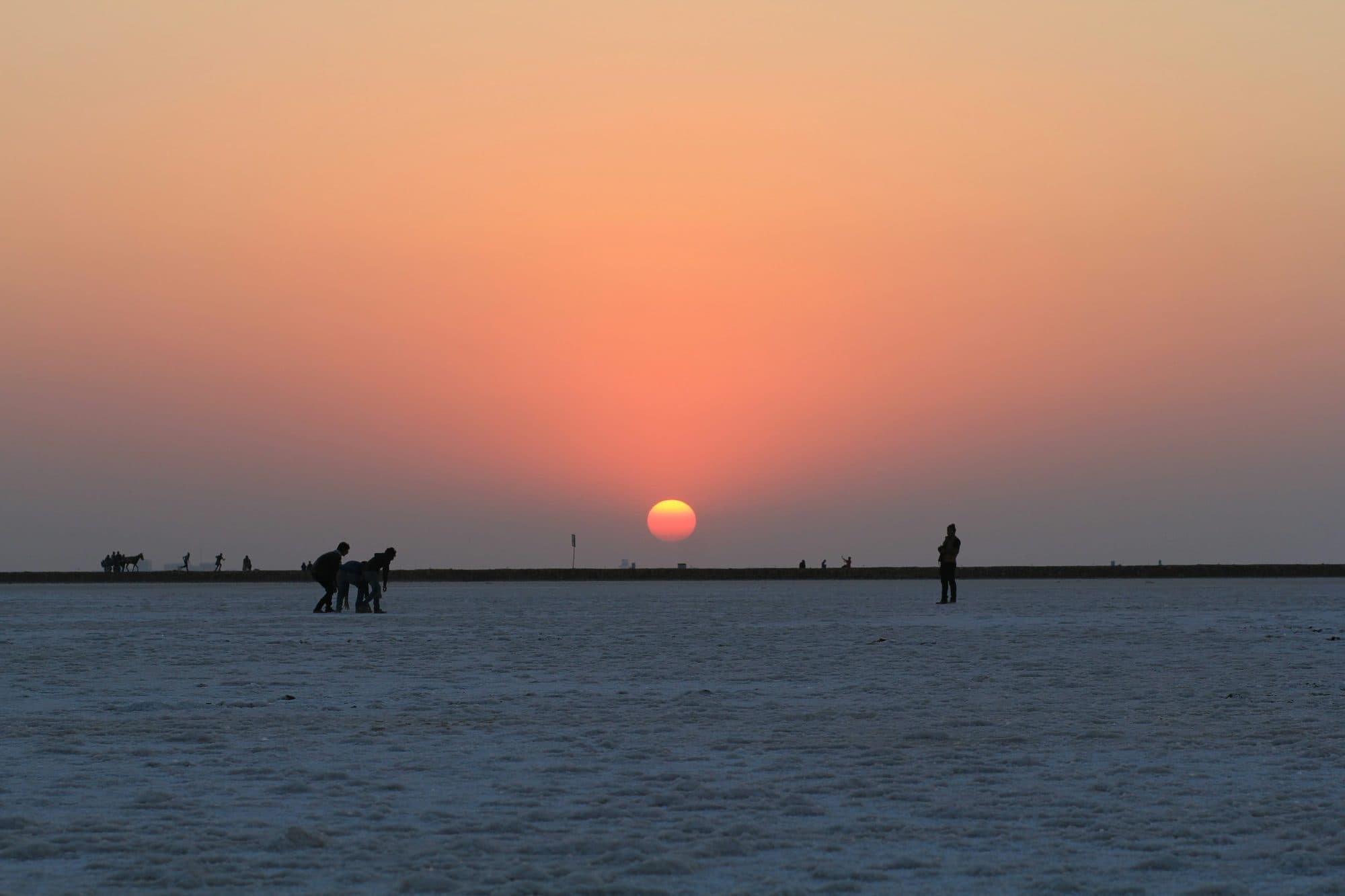
Gujarat
The White Desert
A salt flat that dries white each winter, seen from Dhordo at sunset and under the moon, with Bhuj's palaces and craft villages close by.
Best: Nov–Feb
Share your dates, who's travelling and what you'd love to see. We'll reply with a day-by-day plan and an itemised quote — no obligation.