
Fort in the morning
See Mehrangarh while it is cool, then Jaswant Thada nearby, and come down into the old city in the late afternoon, when the market is busiest.
Rajasthan · The Blue City
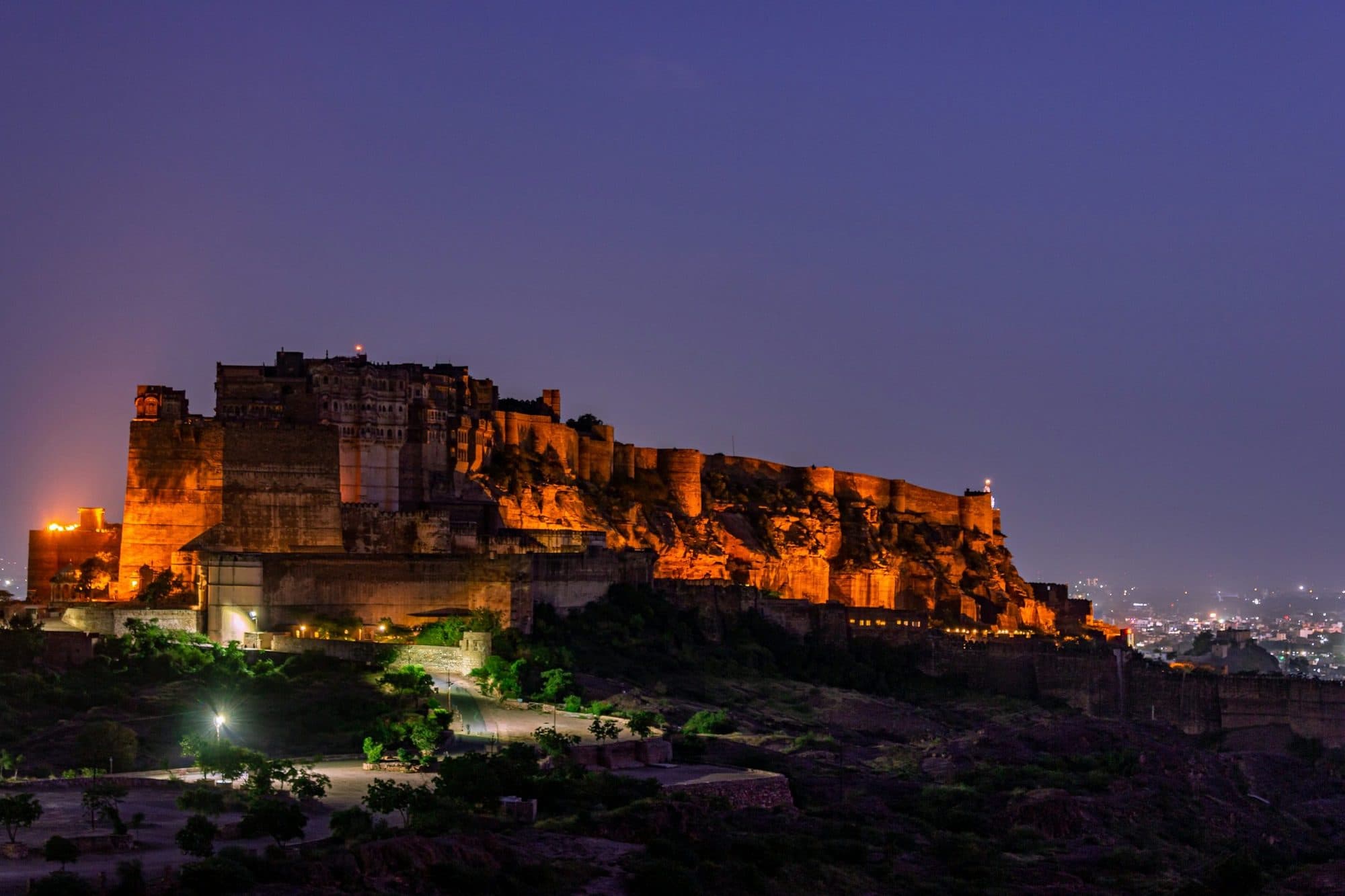
Mehrangarh Fort rises straight out of a rocky hill above Jodhpur, and from its ramparts the old city spreads out below in shades of blue. Jodhpur is compact enough to see in a day and a half, on the road west to Jaisalmer.
Rao Jodha, chief of the Rathore clan, founded Jodhpur in 1459 and began Mehrangarh the same year, moving his capital from Mandore a few kilometres to the north. Jodhpur became the capital of Marwar, one of the largest kingdoms of Rajputana, and is now Rajasthan's second-largest city.
Many houses below the fort are painted blue; explanations vary, from a tradition among Brahmin families to keeping houses cool. With its clock tower market, an old stepwell and its sweet shops, the old city is good to explore on foot.
What to see
Founded in 1459, Mehrangarh stands on a rock high above the city, with palace rooms such as the Phool Mahal and Sheesh Mahal inside. The museum shows palanquins, howdahs (elephant seats), arms and paintings, and its audio guide is worth taking.
A white marble memorial built in 1899 for Maharaja Jaswant Singh II, a short drive from Mehrangarh, with thin marble panels that glow in the sun.
Completed in 1943 for Maharaja Umaid Singh, this sandstone palace on Chittar Hill is divided between the former royal family's residence, a hotel and a museum open to visitors.
The lanes below the fort, especially around Brahmpuri, are where the blue houses cluster. Walk them in the morning, when the light is soft and the lanes are quiet.
The Ghanta Ghar (clock tower) stands at the centre of Sardar Market, where stalls sell spices, textiles, bangles and handicrafts.
About 9 km north, Mandore was the capital of Marwar before Jodhpur. Its gardens hold the temple-like red-sandstone cenotaphs (memorials) of Jodhpur's rulers.
Things to do
Start at the clock tower, cross to Toorji ka Jhalra, a stepwell built around 1740 and since restored, and climb through the blue lanes towards the fort. A local guide helps with the way and the stories.
Try mirchi vada (a large stuffed chilli fritter), mawa kachori (a pastry filled with milk solids and dipped in syrup) and makhaniya lassi, thick and creamy, at the old city's sweet shops.
A half-day drive south visits villages of the Bishnoi community, known for protecting trees and wildlife, with potters and dhurrie (flat-woven rug) weavers. Blackbuck and chinkara gazelles are often seen nearby, though sightings vary.
The Rajasthan International Folk Festival brings folk musicians from Rajasthan and abroad to Mehrangarh each October, around the Sharad Purnima full moon; dates are announced each year.
When to go
November to February is the most comfortable time, with sunny days and cool to cold nights. October and March are warm, April to July is very hot, and August and September are humid with occasional showers.
Getting there
Local knowledge
See Mehrangarh while it is cool, then Jaswant Thada nearby, and come down into the old city in the late afternoon, when the market is busiest.
Mehrangarh has steep ramps and stairs, and the old-city lanes are uneven. There is usually a lift for part of the climb up to the fort.
Jodhpur is the usual starting point for Jaisalmer, about five hours west, and the drive south to Udaipur can include the Ranakpur Jain temple.
Tours
8 days / 7 nightsJaipur → Pushkar → Jodhpur → Udaipur
Eight days by private car through Jaipur, Pushkar, Jodhpur and Udaipur, with a stop at the Jain temple at Ranakpur on the way.
 12 days / 11 nights
Jaipur → Bikaner → Jaisalmer → Jodhpur → Udaipur
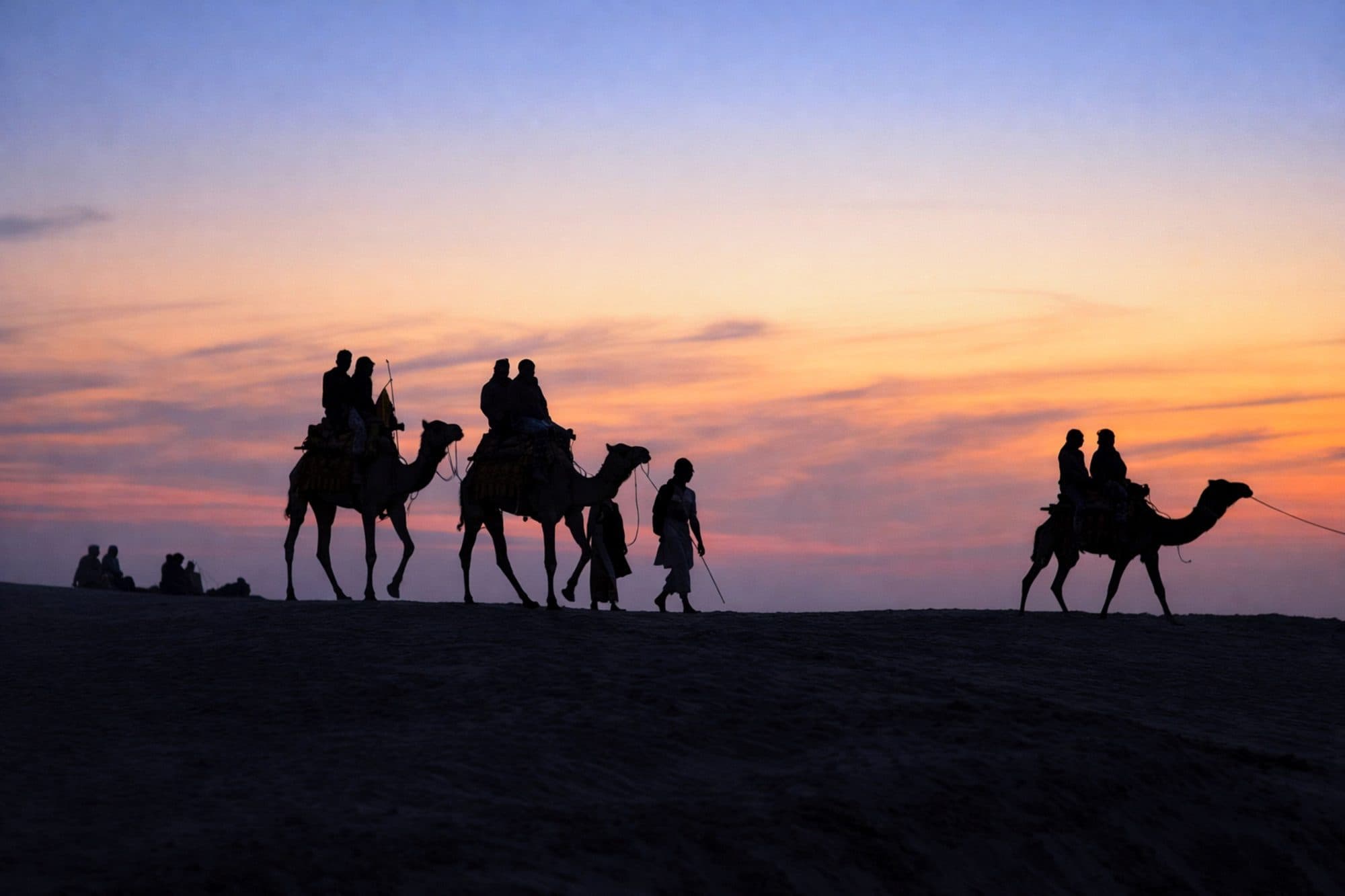
Twelve days by private car from Jaipur through Shekhawati, Bikaner, Jaisalmer and Jodhpur to Udaipur, with an optional night at a desert camp.
Questions
One full day covers Jodhpur's main sights: Mehrangarh, Jaswant Thada and the clock tower market. Two nights allow time for the Umaid Bhawan museum, Mandore and a Bishnoi village visit.
Jodhpur is called the Blue City because many houses in its old city, below Mehrangarh Fort, are painted blue. Explanations vary, from a tradition among Brahmin families to the idea that the colour keeps houses cool.
Jodhpur is about 285 km from Jaisalmer, around five hours by road, and trains also run between the two cities.
Yes, at an unhurried pace. Mehrangarh Fort usually has a lift for part of the climb, but the museum route still involves ramps and stairs, so allow time for rests.
The best time to visit Jodhpur is November to February, when days are sunny and nights cool to cold. October and March are warm, and April to July is very hot.
Combine it with
Rajasthan
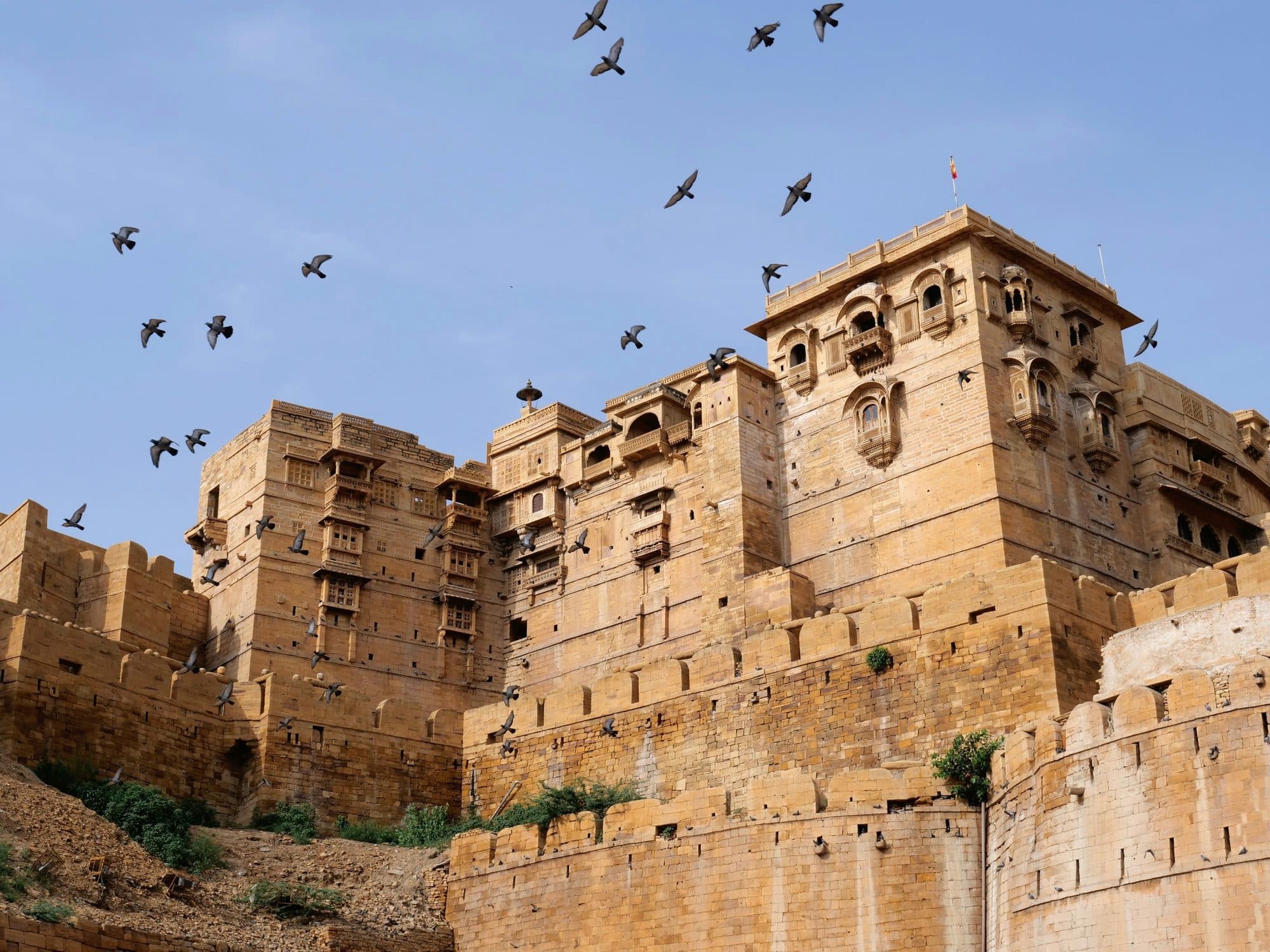
The Golden City
A lived-in sandstone fort in the Thar Desert, carved merchant havelis and nights at a desert camp.
Best: Nov–Feb
Rajasthan
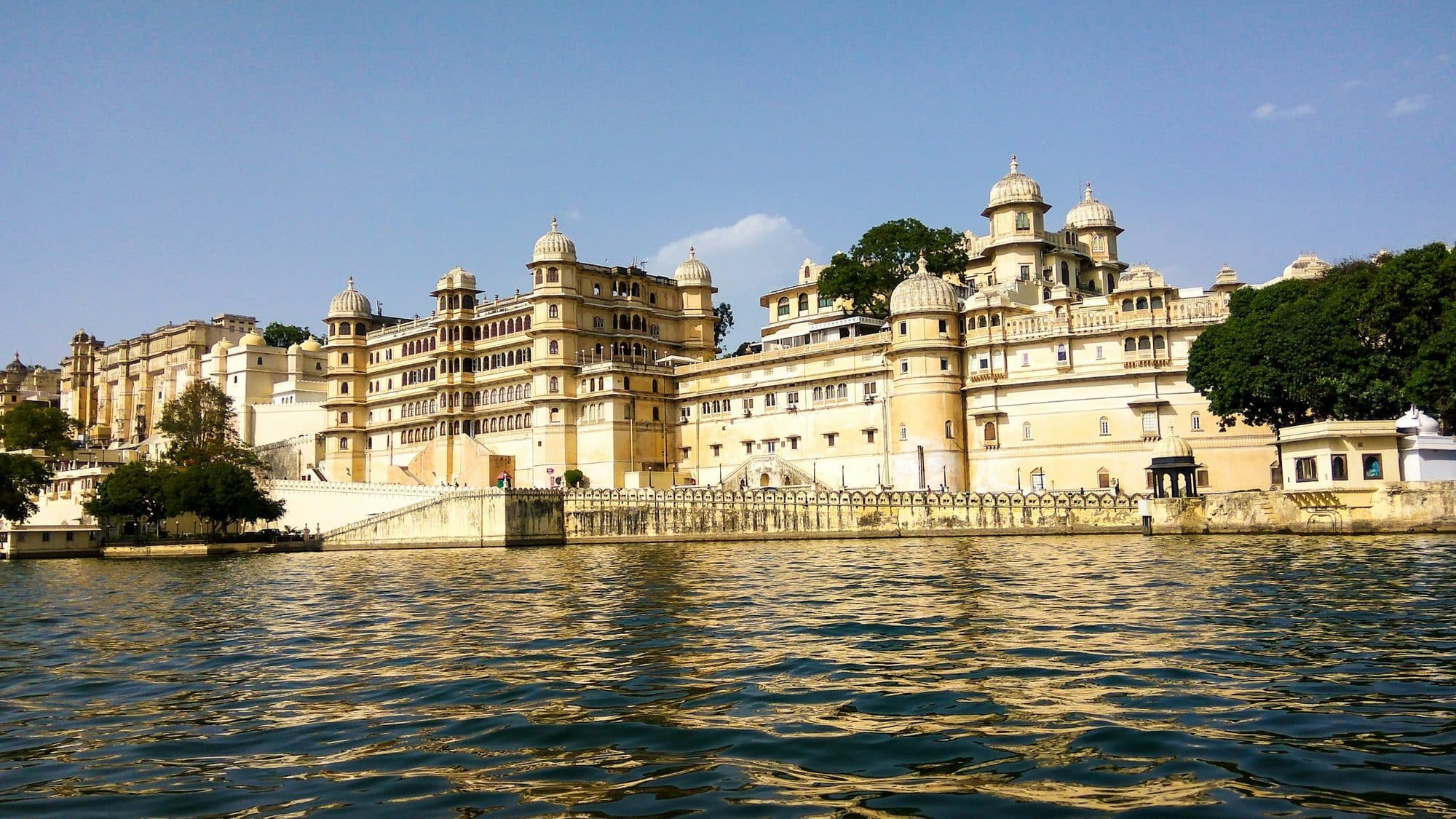
The City of Lakes
Mewar's old capital: palaces on Lake Pichola, hills all around, and Kumbhalgarh, Ranakpur and Chittorgarh within a day's drive.
Best: Nov–Feb
Rajasthan
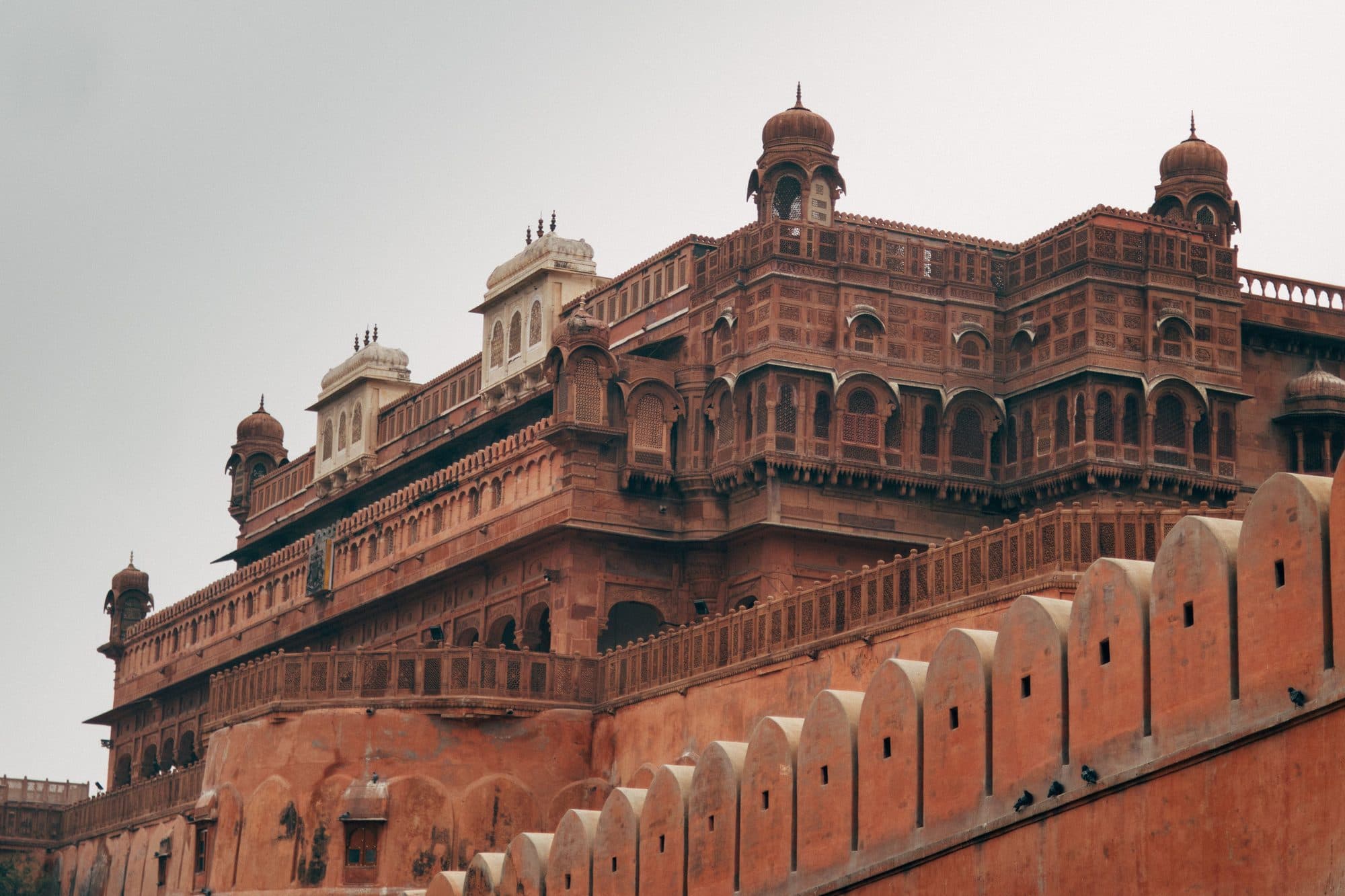
A desert city with Junagarh Fort, red-sandstone palaces and havelis, the Karni Mata temple at Deshnoke and a camel research centre.
Best: Nov–Feb
Rajasthan
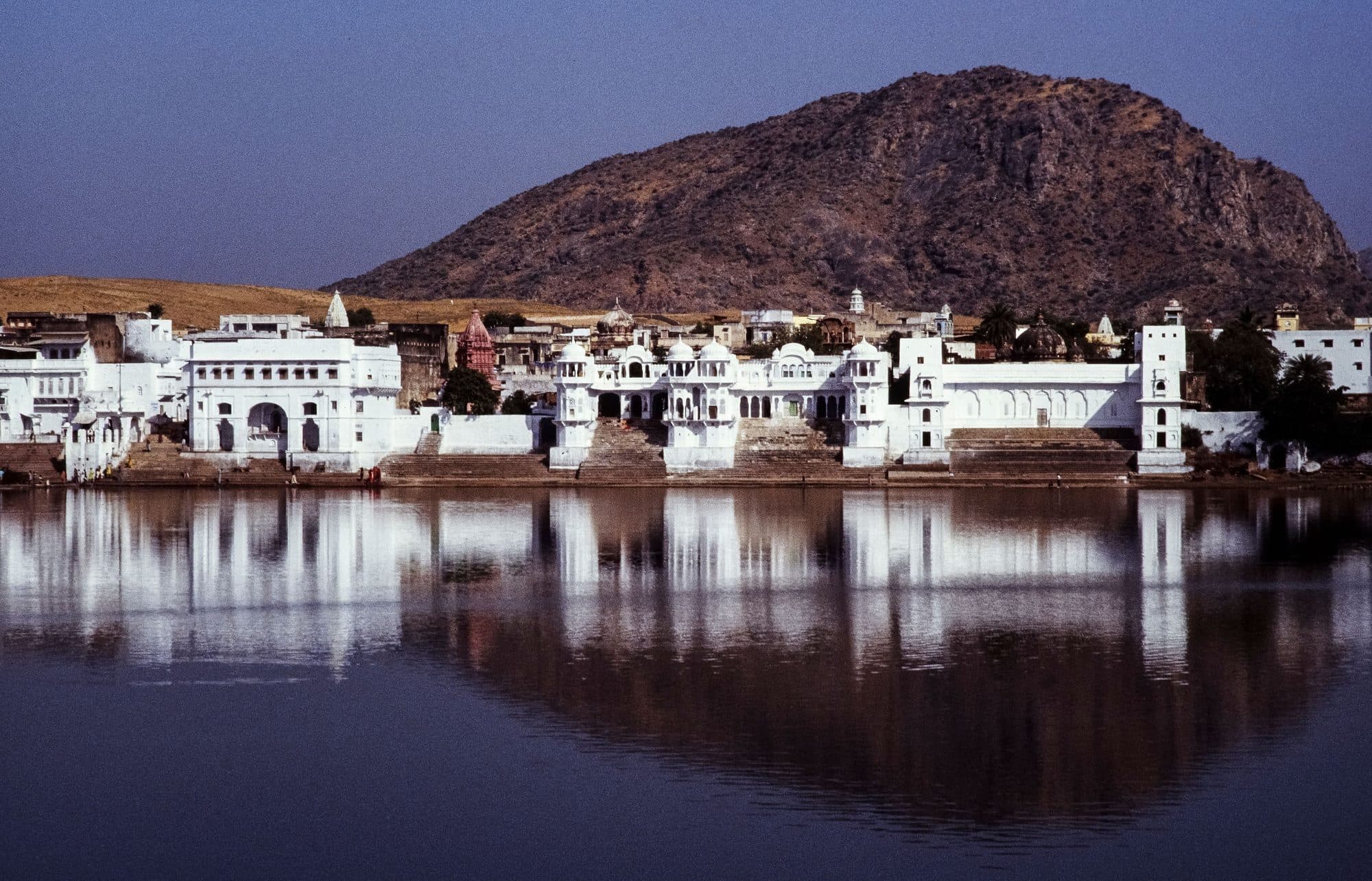
A small pilgrimage town around a sacred lake, with a rare Brahma temple, whitewashed ghats and the autumn camel fair.
Best: Nov–Feb
Share your dates, who's travelling and what you'd love to see. We'll reply with a day-by-day plan and an itemised quote — no obligation.