
Pick one or two regions
With a week, choose two of Kutch, Saurashtra and the Ahmedabad side; with ten days or more you can see all three, using an overnight train or a full driving day between them.
Destinations · 6 places · 3 tours
Gujarat packs a white salt desert, the last wild Asiatic lions, two of India's great pilgrimage towns and a UNESCO-listed old city into one state. We plan private Gujarat tours with a car and driver throughout, and they join easily to a Rajasthan trip through Udaipur.
Best months: Nov–Feb
Gujarat lies south of Rajasthan on India's west coast, and its three main regions feel like different trips. Kutch, in the north-west, has the salt desert of the Great Rann and its craft villages. Saurashtra, the peninsula to the south-west, has the temple towns of Dwarka and Somnath on its coast and the Gir forest inland. The mainland has Ahmedabad's walled old city and the great stepwells, and further south, on the Narmada, the Statue of Unity.
Distances are long: Ahmedabad to Bhuj is about 330 km and to Dwarka about 450 km, so a first trip usually focuses on one or two regions. Winter is the season. The White Rann is white from about November to February, and Gir's safaris run from mid-October to mid-June.
We plan Gujarat trips from Jaipur the same way as our Rajasthan tours: private, in a chauffeur-driven car from Vibrantcar, with hotels in the category you choose and licensed local guides arranged at the major sights. Every route can be changed or joined to Rajasthan, and quotes are itemised, so you can see what you pay for.
Why Gujarat
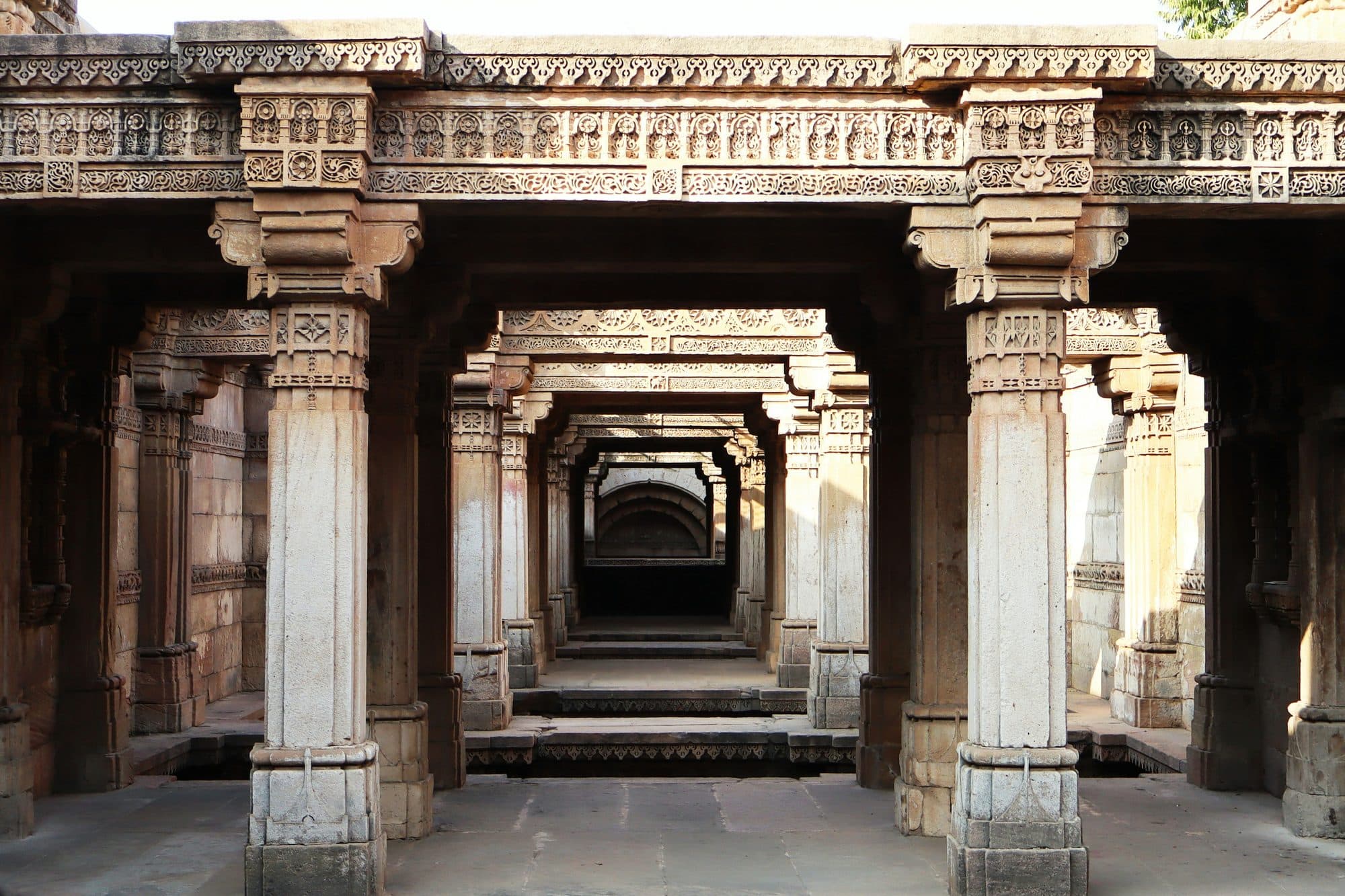
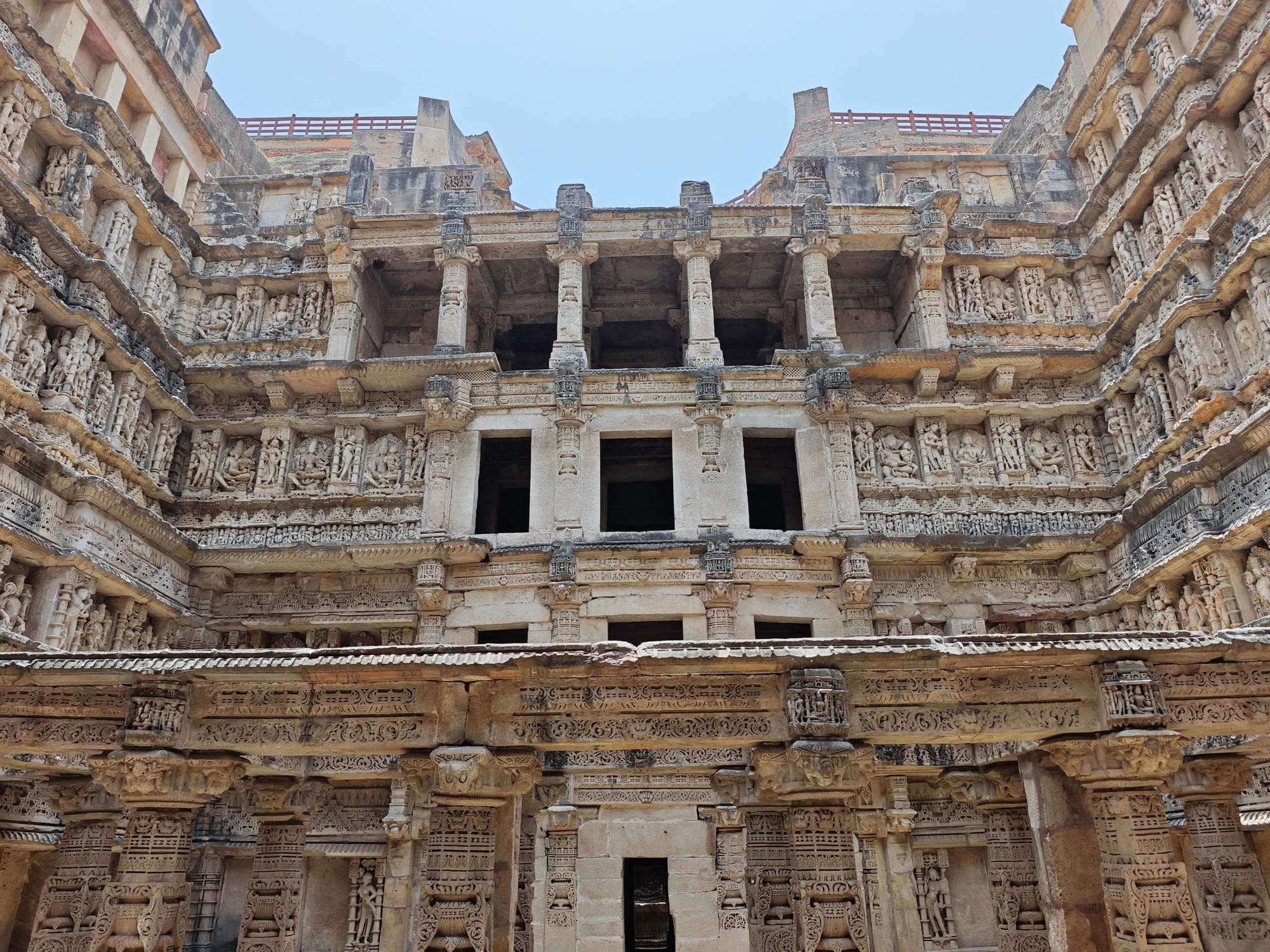
Ahmedabad's walled city became India's first UNESCO World Heritage City in 2017, for its Sultanate mosques, temples and pols, gated lanes of carved wooden houses. Gujarat's stepwells (vav) go several storeys down to the water: Adalaj near Ahmedabad, and Rani ki Vav at Patan, a World Heritage Site like Champaner-Pavagadh and Dholavira.
In winter the Great Rann of Kutch dries into a crust of salt that runs flat to the horizon. You see it from Dhordo at sunset and under a full moon, and the Rann Utsav festival usually runs there from November to February.
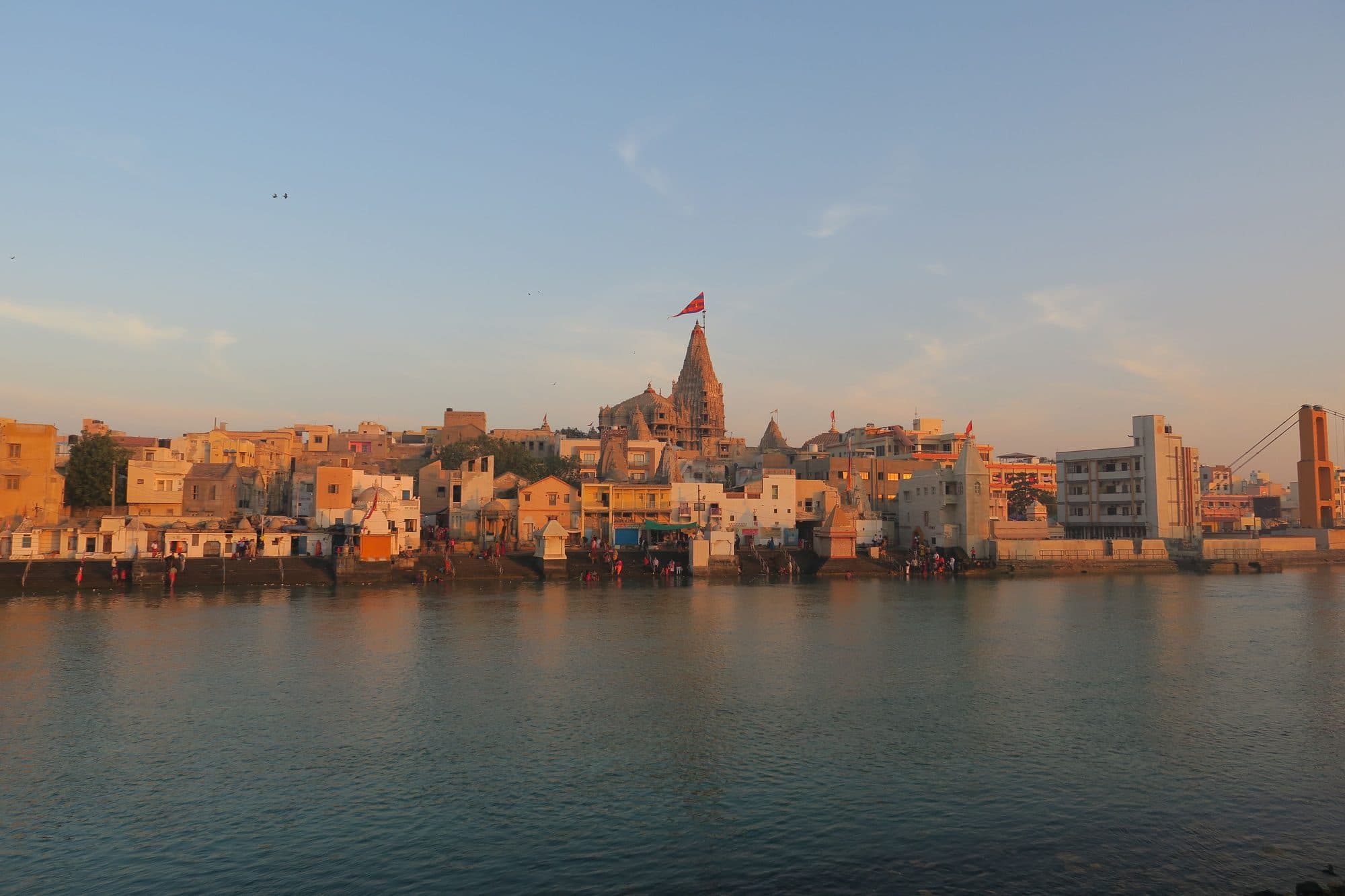
Dwarka, Krishna's city and one of the Char Dham, and Somnath, revered as the first of the twelve Jyotirlingas (shrines where Shiva is worshipped as a column of light), sit on the Arabian Sea a day's drive apart, with Gandhi's birthplace, Porbandar, between them.
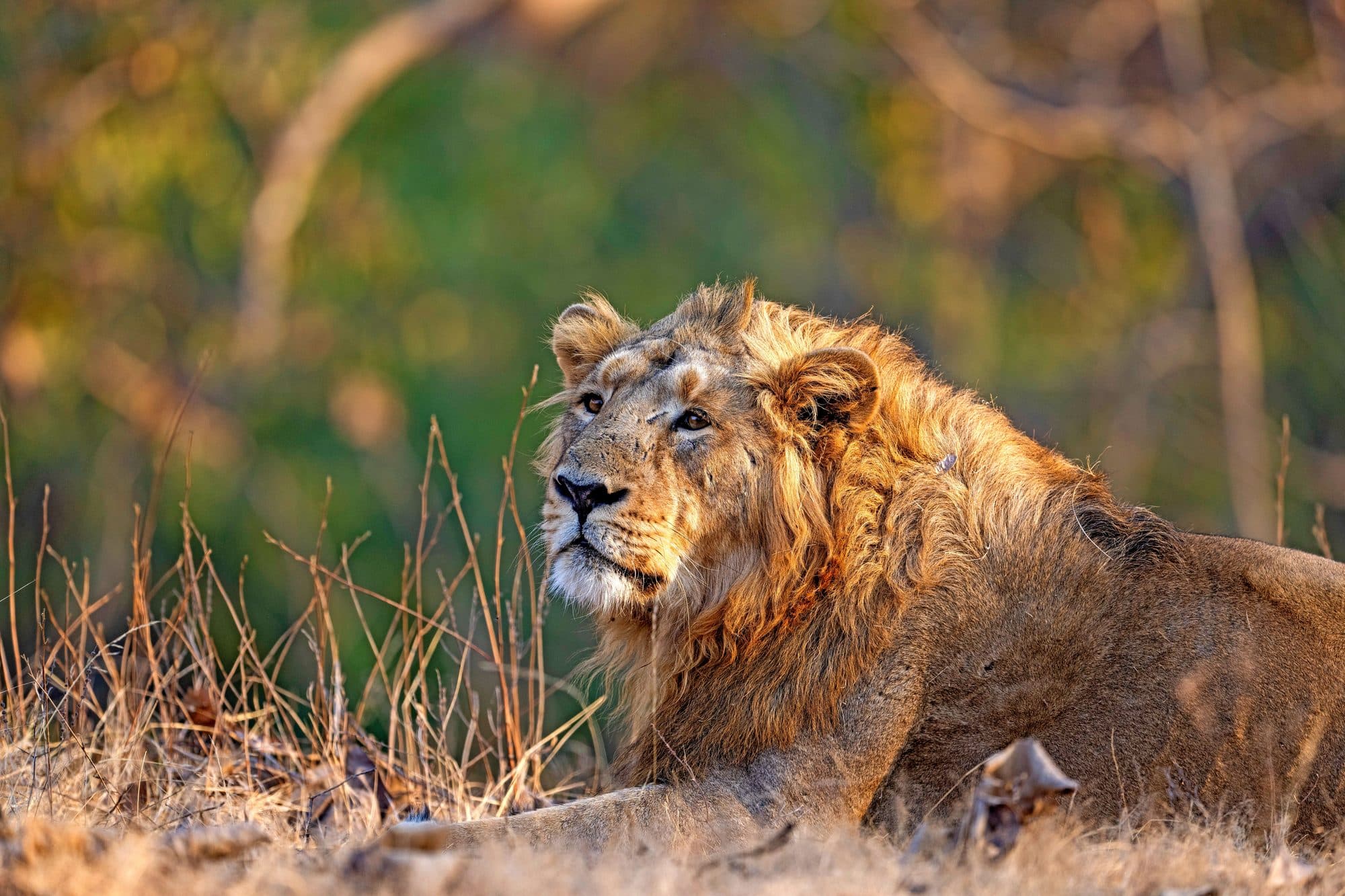
The Gir forest is the only place in the world where Asiatic lions live in the wild. Jeep safaris run from Sasan Gir from mid-October to mid-June; no one can promise a sighting, so book more than one.
Kutch's villages embroider, weave, block-print ajrakh and paint rogan; Patan still weaves patola, a silk woven from tie-dyed threads; bandhani (tie-dye) comes from Kutch and Jamnagar; and Ahmedabad's Calico Museum of Textiles holds centuries of Indian cloth.
Gujarati food is largely vegetarian: thalis (platters of small dishes) that balance sweet, sour and spice, snacks such as dhokla and khandvi, and the spicier Kathiyawadi cooking of Saurashtra. Gujarat restricts the sale of alcohol; visitors can usually get a temporary permit, but check the current rules.
Places
Classic routes
Fly or take the train to Bhuj for the palaces and craft villages, then spend two nights at Dhordo on the edge of the salt. The Rann of Kutch and Bhuj tour does this in four days; see also the Rann of Kutch page and our Rann of Kutch guide.
Dwarka for Krishna, Somnath for Shiva and Gir for the lions: Dwarka, Somnath and Gir is a six-day route along the Saurashtra coast from Jamnagar or Rajkot, with a stop in Porbandar and two safaris at the end.
Start in Ahmedabad for the old city and the stepwells at Adalaj and Patan, then spend a night at the Statue of Unity and finish in Vadodara: Ahmedabad and the Statue of Unity does it in four days. To join the regions into a longer trip, see our Gujarat tour plan.
Udaipur is about 260 km from Ahmedabad and Mount Abu sits near the state border, so the two states join easily by road. The Udaipur and Mount Abu tour can run on into Gujarat with the same car and driver.
Tours
Sample itineraries — each one can be changed.
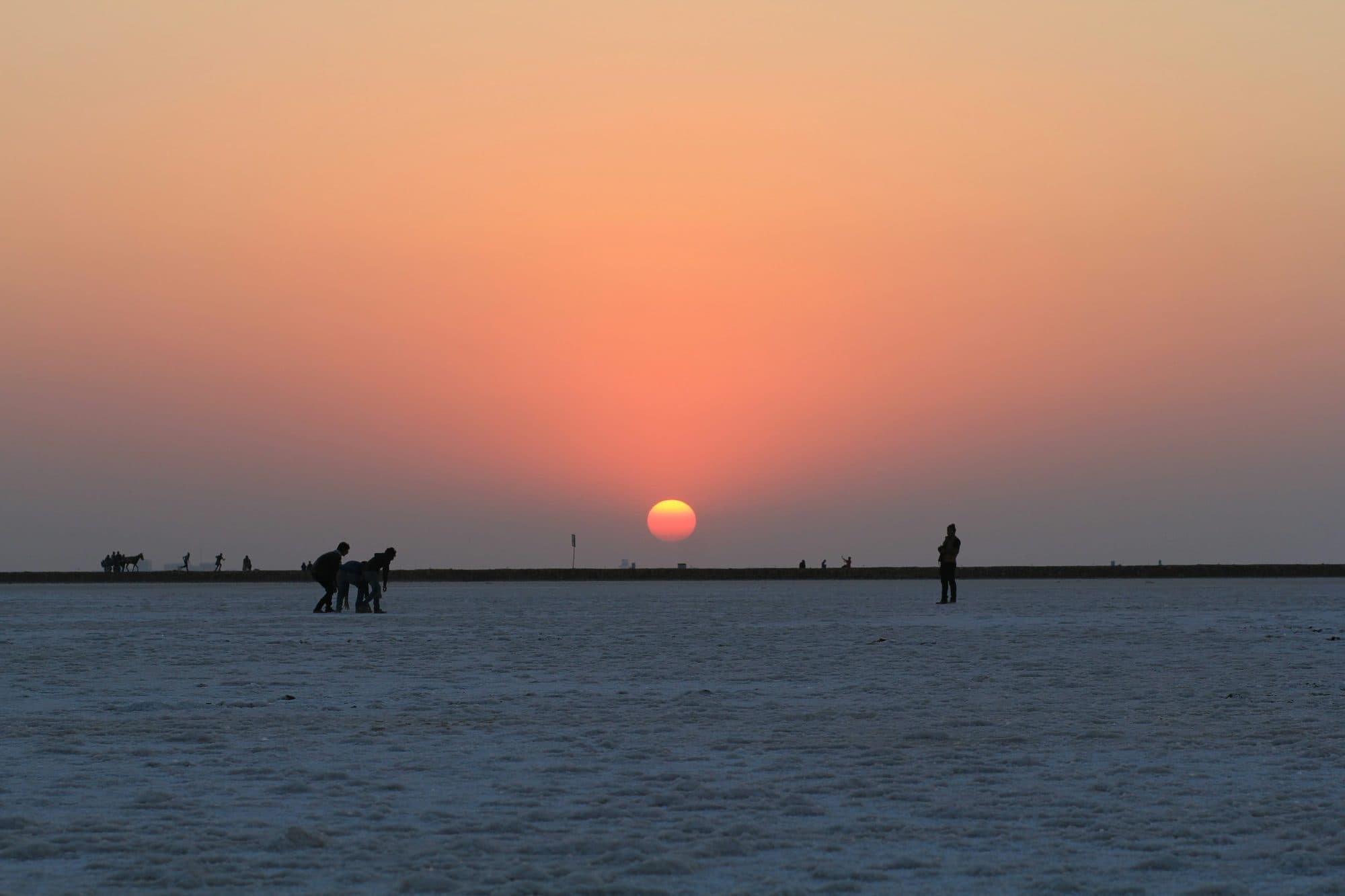 4 days / 3 nights
Rann of Kutch
Four days in Kutch: Bhuj's palaces and craft villages, then two nights at Dhordo for sunset and moonlight on the White Rann.
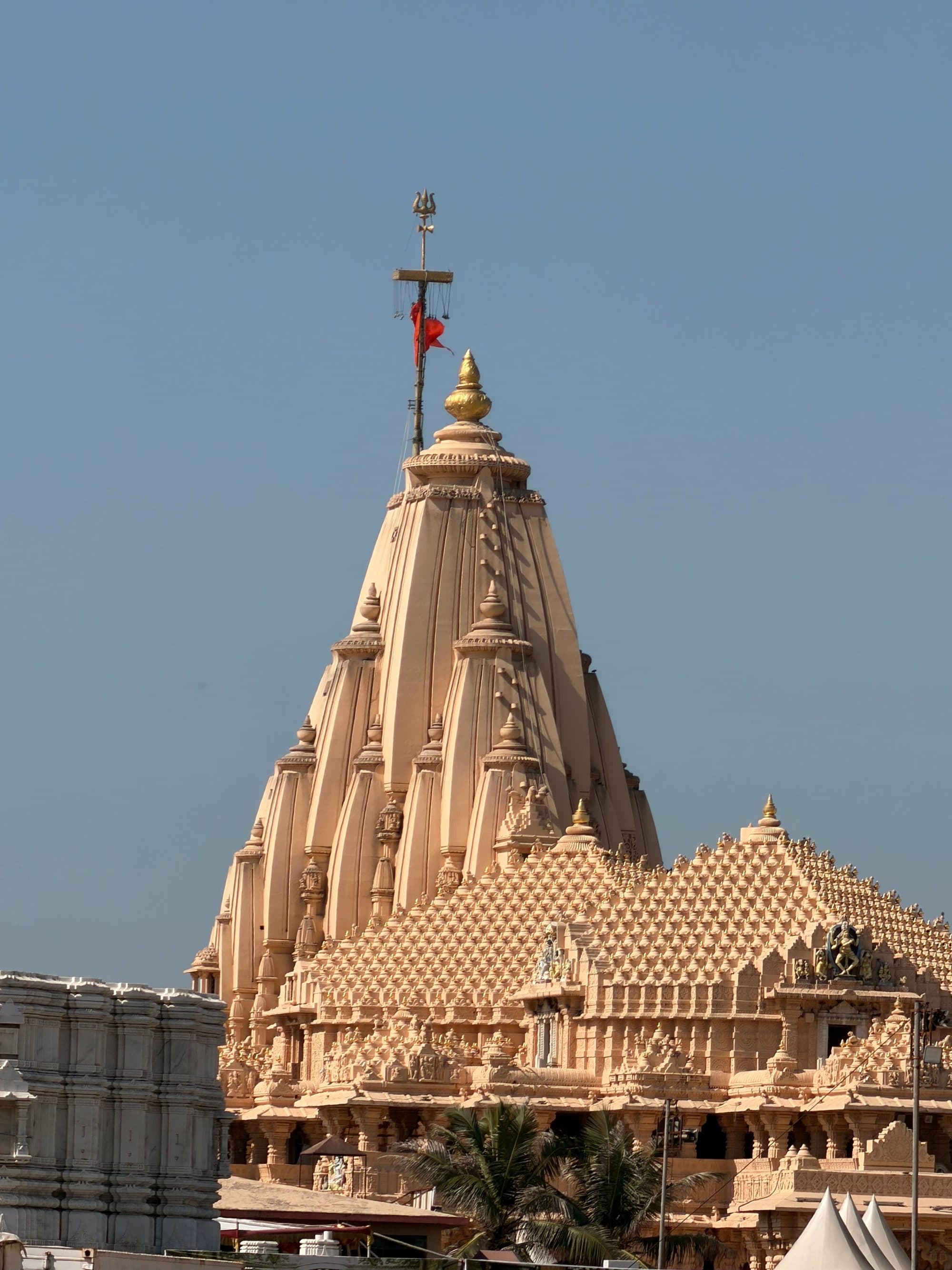 6 days / 5 nights
Dwarka → Somnath → Gir
Six days on the Saurashtra coast: Dwarka and Nageshwar, Gandhi's Porbandar, Somnath's evening aarti and two safaris in Gir.
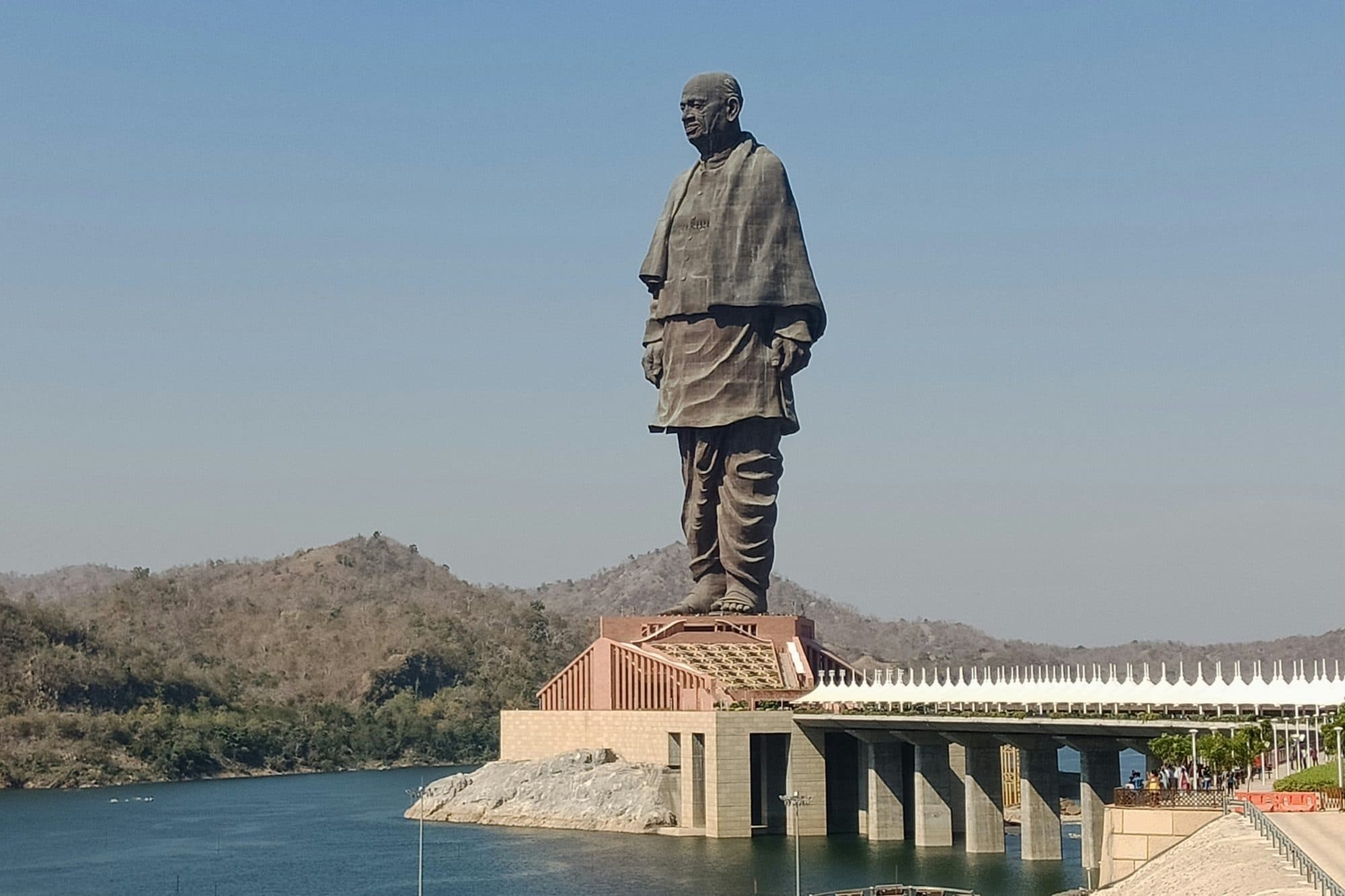 4 days / 3 nights
Ahmedabad → Statue of Unity
Four days of Gujarat heritage and its newest landmark: Ahmedabad's old city and stepwells, Modhera and Patan, then a night at the Statue of Unity.
When to go
November to February is the best time for Gujarat: the White Rann is dry, Gir's safaris are running and the days are mild. April to June is hot, and the monsoon floods the Rann and closes Gir's safaris, though the temple towns stay open.
Getting there
With a week, choose two of Kutch, Saurashtra and the Ahmedabad side; with ten days or more you can see all three, using an overnight train or a full driving day between them.
Phones, cameras and bags are not allowed inside the main temples at Dwarka and Somnath, and Dwarkadhish closes for a few hours in the afternoon. Dress modestly and expect long queues on festival days.
Gir safari permits, stays near Dhordo on full-moon dates and holidays, and Statue of Unity tickets on long weekends go first. Fix those, then plan the rest around them.
Questions
The best time to visit Gujarat is November to February, when the White Rann of Kutch is dry and white, Gir's lion safaris are running and the weather is mild. April to June is hot.
A Gujarat tour of 10 to 14 days covers Kutch, Ahmedabad and the Saurashtra coast with Gir. With about a week, choose two regions, such as Kutch and Ahmedabad, or Dwarka, Somnath and Gir.
Yes. Udaipur is about 260 km from Ahmedabad, 4.5–5 hours by road, and Mount Abu is near the Gujarat border, so a Rajasthan tour can continue into Gujarat with the same car and driver.
Gujarat restricts alcohol under its prohibition laws. Visitors from other states and countries can usually get a temporary permit and buy from licensed shops in some hotels; check the current rules before you travel.
Gujarati food is largely vegetarian, and around the temples of Dwarka and Somnath almost everything is. Non-vegetarian food is available in cities such as Ahmedabad and in many hotels.
Yes. The White Rann at Dhordo needs a permit, available online or at the checkpost on the road from Bhuj. Carry photo ID, or your passport if you are a foreign national.
Share your dates, who's travelling and what you'd love to see. We'll reply with a day-by-day plan and an itemised quote — no obligation.