
Book permits early
Safari permits are sold through the Rajasthan forest department's official booking and are limited for each zone and session, so they often sell out in peak months. Carry the photo ID used for the booking.
Rajasthan
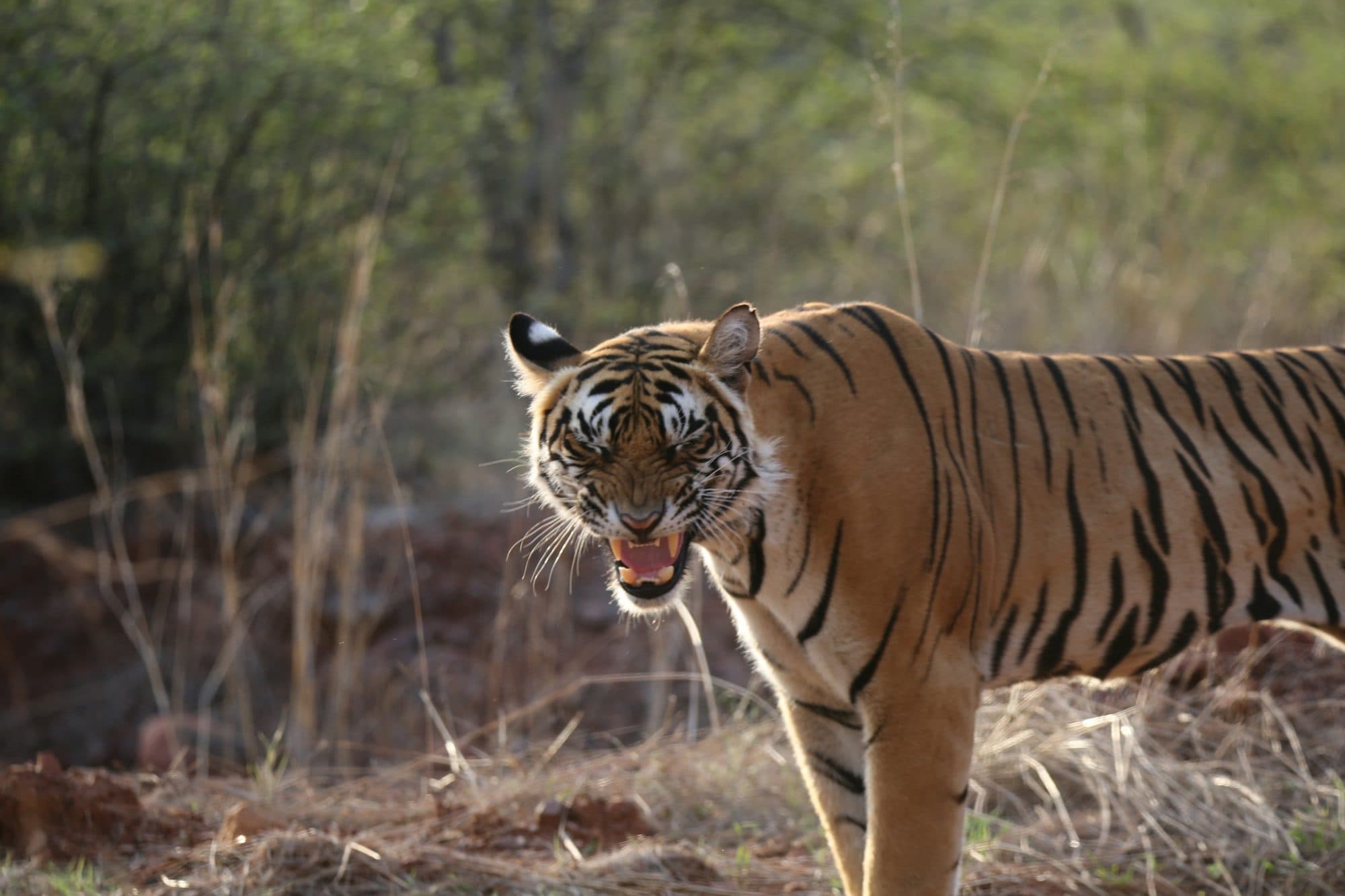
Ranthambore is dry forest, lakes and ruined pavilions around a hill fort, and one of the best places in India to look for a wild tiger. Safaris usually run from October to June, with the core zones closed for the monsoon.
Ranthambore National Park lies where the Aravalli and Vindhya hills meet, near the town of Sawai Madhopur. Once a hunting reserve of the Maharajas of Jaipur, it became one of India's first Project Tiger reserves in 1973.
Besides tigers, you may see leopards, sloth bears, sambar and spotted deer, crocodiles in the lakes and many birds. The park is divided into safari zones, and each permit is for one zone and one session.
What to see
The park's safari zones run from the core, around the old lakes and ruins, to the wider forest beyond. Tigers move between zones, so no zone can promise a sighting.
This hill fort inside the park, with origins usually dated to the 10th century, is one of the UNESCO-listed Hill Forts of Rajasthan. Its gates and ruins look out over the forest and lakes below.
Within the fort, this temple to a three-eyed Ganesh is an important pilgrimage site, busiest around Ganesh Chaturthi. Visiting the fort and temple does not need a safari permit, though the road up runs through the forest and access rules can change.
These lakes in the park's core, with ruined pavilions on their banks, are classic Ranthambore settings, where deer, crocodiles and water birds are common and other animals come to drink in the dry months.
Things to do
A gypsy is a six-seat open jeep and a canter is an open bus with about 20 seats. Gypsies are quieter and more private; canters suit larger groups. Each safari lasts about three hours.
Safaris run twice a day, starting soon after sunrise and in the afternoon, with timings that change through the season. Two or three drives in different sessions give you a better chance of seeing tigers than one.
With lakes, grassland and forest, Ranthambore has a long list of resident and winter birds. The light is best early and late, and a long lens helps.
When to go
The park is usually open from October to June, and its core zones close for the monsoon (roughly July to September). November to March is the most comfortable season; from April to June it is very hot, but animals gather near water.
Getting there
Local knowledge
Safari permits are sold through the Rajasthan forest department's official booking and are limited for each zone and session, so they often sell out in peak months. Carry the photo ID used for the booking.
From December to February, mornings in an open vehicle are cold, so bring a warm jacket, cap and gloves; in summer, carry water and sun protection. Neutral colours and quiet voices help.
Tigers are wild and move freely, so no safari, zone or season can guarantee a sighting. The forest, the birds and the fort make the trip worthwhile either way.
Tours
 7 days / 6 nights
Delhi → Agra → Ranthambore → Jaipur
Delhi, Agra and Jaipur with two nights in Ranthambore National Park for tiger safaris, in seven days by private car.
3 days / 2 nightsJaipur → Ranthambore
Three days from Jaipur to Ranthambore National Park, with three safaris by gypsy or canter and a visit to Ranthambore Fort and the Trinetra Ganesh temple.
Questions
Ranthambore National Park is usually open for safaris from October to June. Its core zones close for the monsoon, roughly July to September, while some outer zones may stay open depending on conditions.
No. Ranthambore is one of India's best-known tiger reserves, but tigers are wild animals and no safari can guarantee a sighting. Booking two or three safaris in different sessions improves your chances.
At Ranthambore, a gypsy is a six-seat open jeep and a canter is an open bus with about 20 seats. Gypsies are quieter and more private, while canters suit larger groups.
Ranthambore safari permits are issued through the Rajasthan forest department's official booking system for a specific zone and session, and they sell out early in peak months. Book as soon as your dates are fixed and carry the photo ID used for the booking.
Ranthambore is about 180 km from Jaipur, around 3.5–4 hours by road, and Sawai Madhopur station has direct trains from Jaipur and Delhi.
Combine it with
Rajasthan
The Pink City
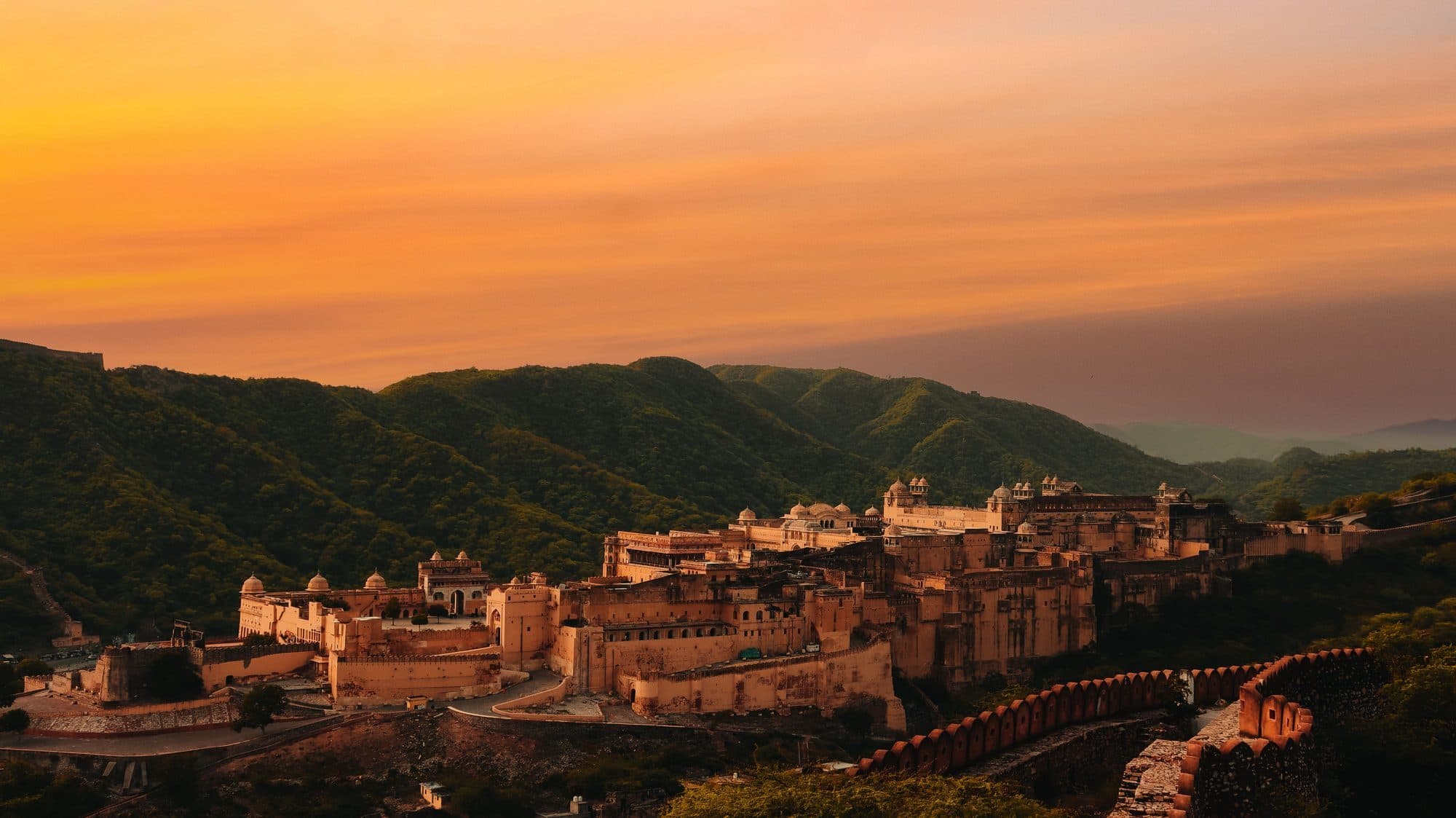
Rajasthan's capital, with Amer Fort, the walled Pink City, Jantar Mantar and bazaars full of textiles and gems.
Best: Nov–Feb
Uttar Pradesh
Home of the Taj Mahal
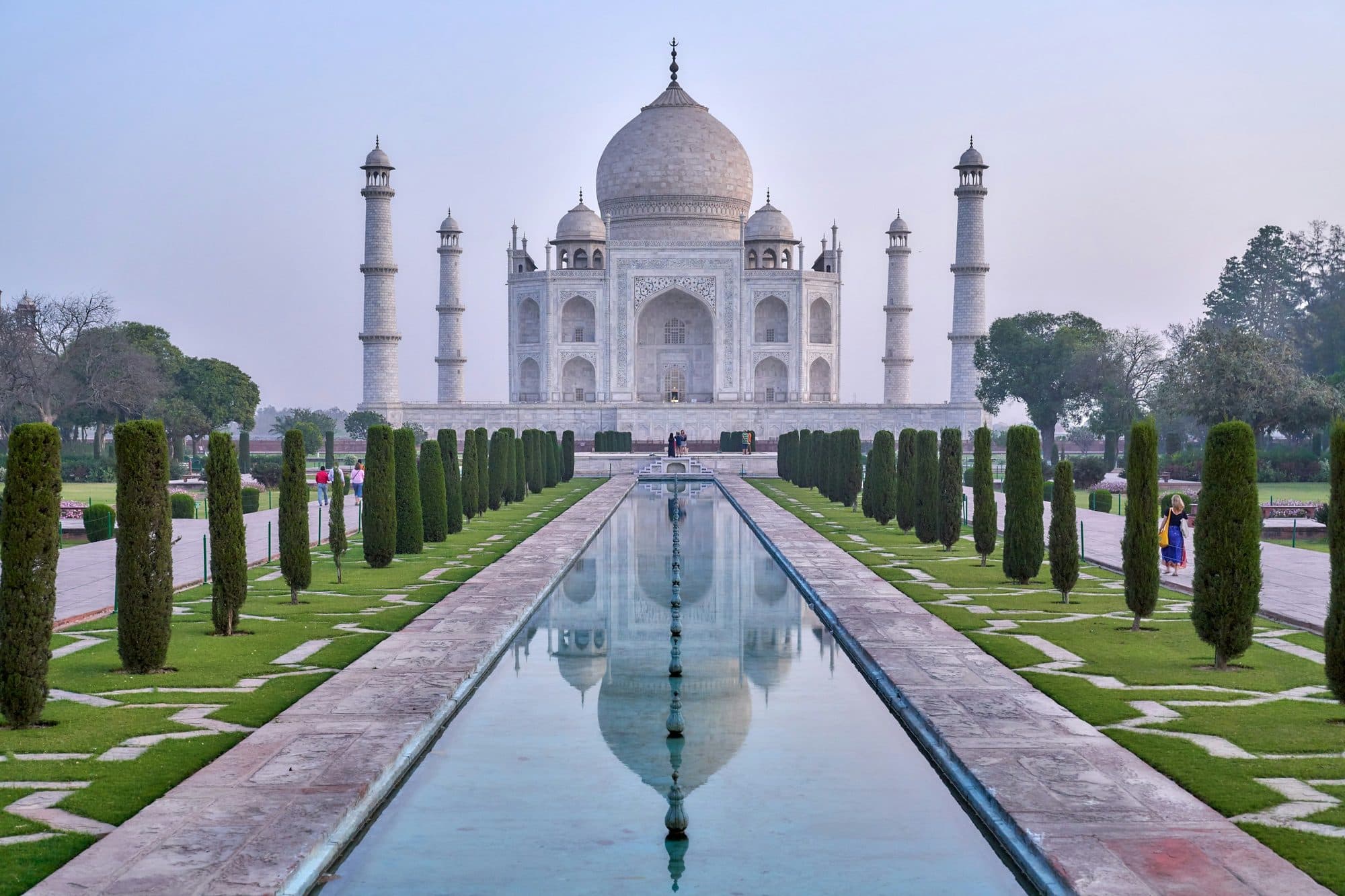
The Taj Mahal, Agra Fort and Fatehpur Sikri: three UNESCO World Heritage Sites within about an hour of each other on the Golden Triangle.
Best: Feb–Mar, Oct–Nov
Delhi
India's capital
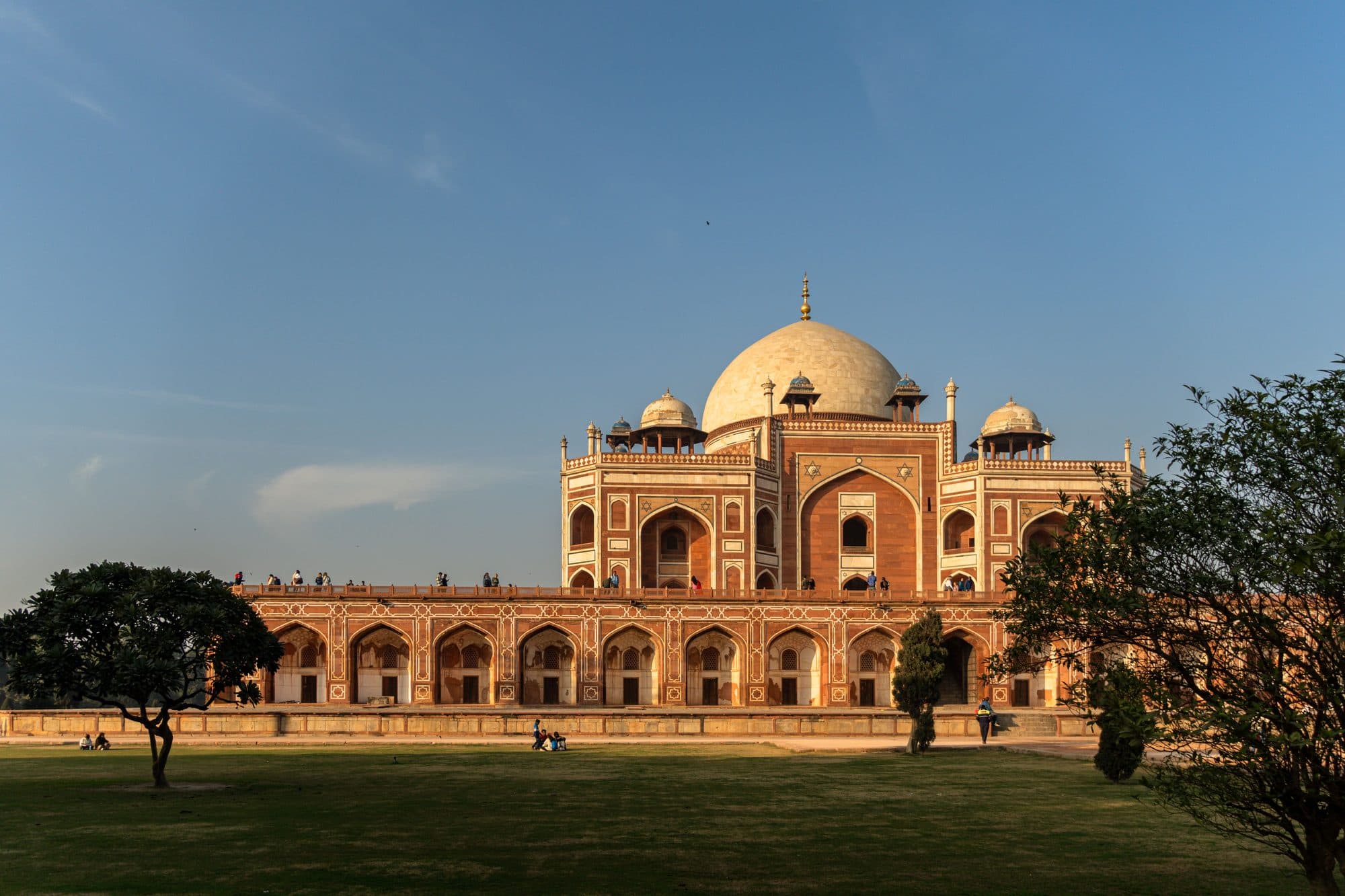
India's capital and the usual start of a Golden Triangle tour: Mughal tombs, the bazaars of Old Delhi and the broad avenues of New Delhi.
Best: Feb–Mar, Oct
Share your dates, who's travelling and what you'd love to see. We'll reply with a day-by-day plan and an itemised quote — no obligation.