Dilwara rules
Phones, cameras and leather items are not allowed inside the Dilwara temples, and modest dress is expected.
Rajasthan
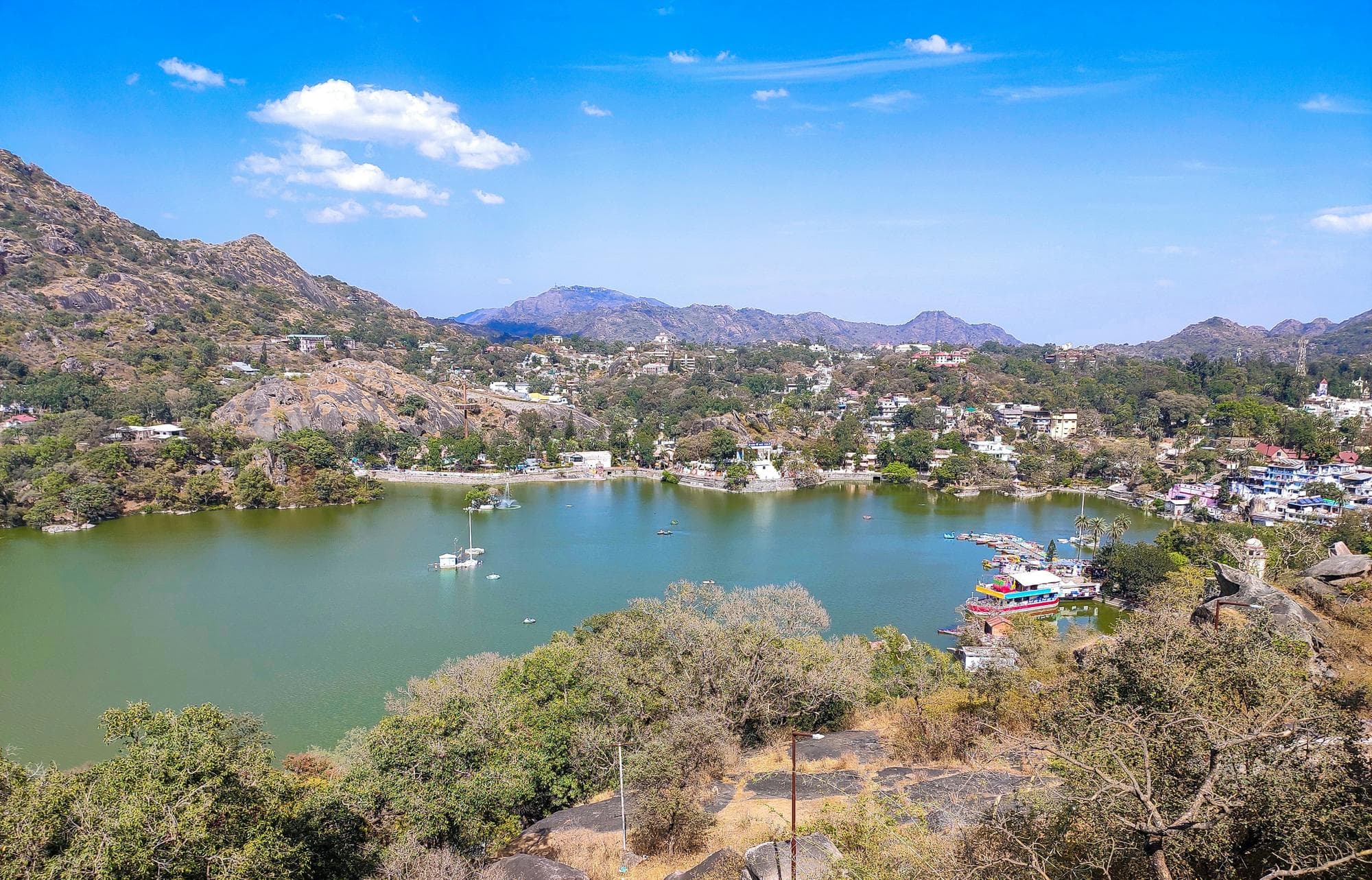
Mount Abu sits on a plateau in the Aravalli hills at about 1,200 metres, cooler and greener than the plains below. It is Rajasthan's only hill station and home to the Dilwara Jain temples, carved in white marble between the 11th and 13th centuries.
Mount Abu is a holiday town first: families stroll around Nakki Lake, take a boat out and gather at Sunset Point in the evening. Summer brings visitors escaping the heat of Rajasthan and Gujarat, and Diwali and the Christmas and New Year weeks are usually busy too.
It is also a place of pilgrimage. Jain pilgrims come to Dilwara, Hindu devotees climb to the Dattatreya shrine on Guru Shikhar and visit the Achaleshwar Mahadev temple at Achalgarh, and the Brahma Kumaris spiritual movement has its headquarters here.
What to see
Five Jain temples built between the 11th and 13th centuries, with ceilings, pillars and doorways carved from white marble in remarkable detail. Photography is not allowed inside, and visiting hours for tourists are limited, so check timings.
The lake at the centre of town has boating, a lakeside walk and hills all around. Toad Rock, a boulder shaped like a crouching toad, looks down on it from a short climb.
A short drive from Nakki Lake, this viewpoint fills each evening with people watching the sun drop over the plains. Arrive a little early in season to find a spot.
At 1,722 metres, Guru Shikhar is the highest point of the Aravalli range, about 15 km from town. A road runs almost to the top, then steps lead to a small Dattatreya temple and wide views.
About 11 km from town, the ruins of an old hill fort rise above the Achaleshwar Mahadev temple, where Shiva is worshipped through an impression of his toe rather than a linga.
Things to do
Take a boat out in the late afternoon, walk the lakeside, and try hot snacks from the stalls around the lake as the air cools.
Dilwara, Achalgarh and Guru Shikhar lie in the same direction from town, so they fit into one long morning or afternoon. Plan the loop around Dilwara's visiting hours.
Short trails lead to viewpoints around the town, and longer walks go into the wildlife sanctuary that covers the hills. Go with a local guide, as leopards and sloth bears live in the forest.
When to go
Mount Abu works for most of the year. February, March, October and November are the most comfortable; summer days stay milder than on the plains, the monsoon brings heavy rain and mist, and December and January nights can fall to freezing.
Getting there
Local knowledge
Phones, cameras and leather items are not allowed inside the Dilwara temples, and modest dress is expected.
Evenings in Mount Abu are cooler than on the plains all year, and from December to February nights can fall to freezing. Bring a sweater or jacket whatever the month.
Mount Abu is usually busiest in the May–June summer holidays, around Diwali and over Christmas and New Year, when hotels fill and the lake road gets crowded. Weekdays outside these weeks are quieter.
Questions
Yes. Mount Abu, at about 1,200 metres in the Aravalli hills near the Gujarat border, is Rajasthan's only hill station.
No. Photography is not allowed inside the Dilwara Jain temples at Mount Abu, and phones, cameras and leather items are left outside. Visiting hours for tourists are limited, so check current timings before you go.
Mount Abu is about 165 km from Udaipur, around 3–4 hours by road, which makes it an easy addition to an Udaipur trip.
Yes. Mount Abu stays noticeably cooler than the plains from April to June, which is why it is busy with families in the summer holidays; book May and June stays early.
Two nights in Mount Abu cover the Dilwara temples, Nakki Lake, Sunset Point, Guru Shikhar and Achalgarh at an easy pace. One night is enough if you are stopping between Udaipur and Ahmedabad.
Combine it with
Rajasthan
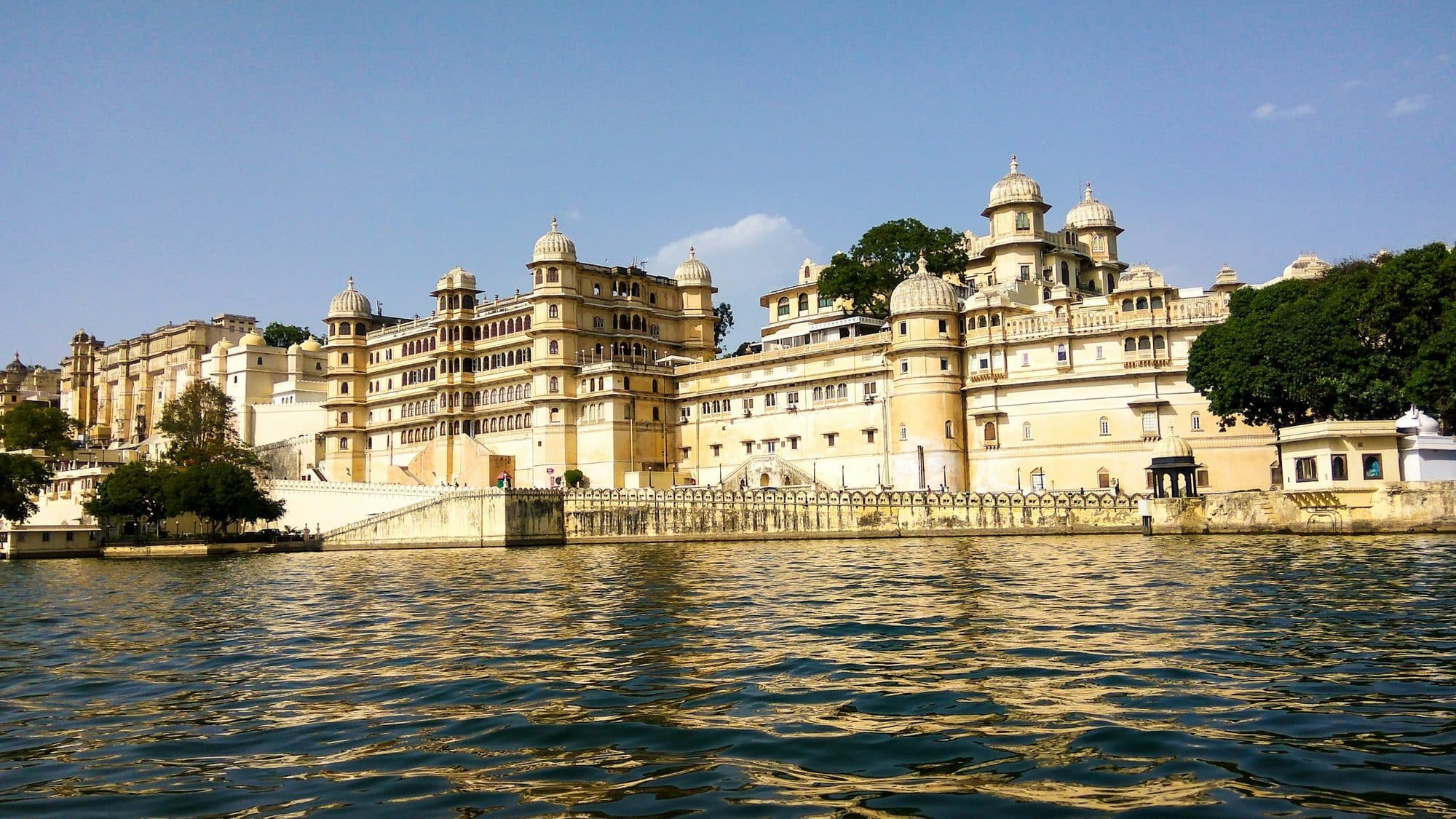
The City of Lakes
Mewar's old capital: palaces on Lake Pichola, hills all around, and Kumbhalgarh, Ranakpur and Chittorgarh within a day's drive.
Best: Nov–Feb
Gujarat
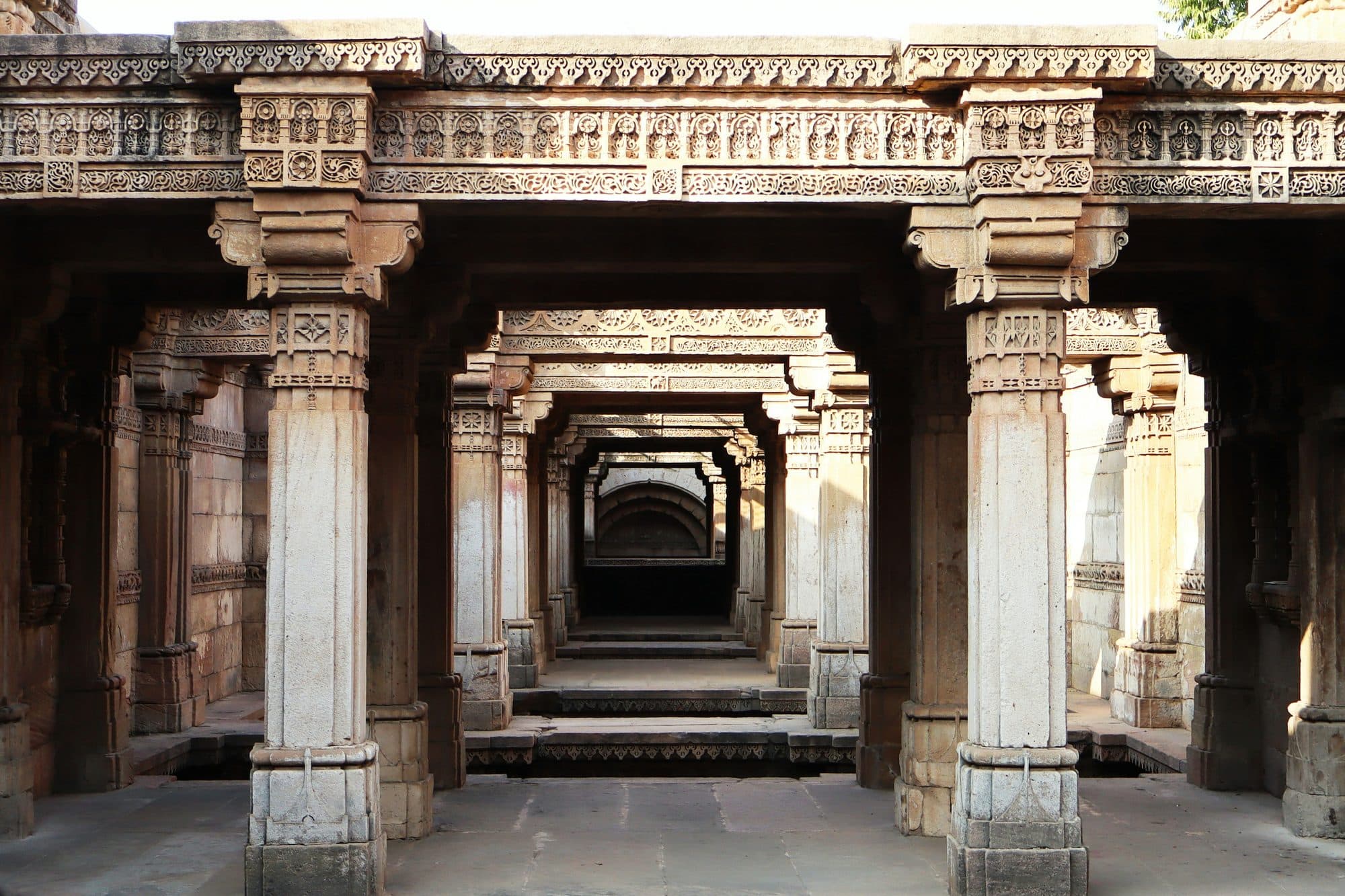
India's first World Heritage City
Gujarat's largest city: a walled old town of pols, mosques and temples, Gandhi's Sabarmati Ashram, and stepwells within a day's drive.
Best: Nov–Feb
Rajasthan
The Blue City
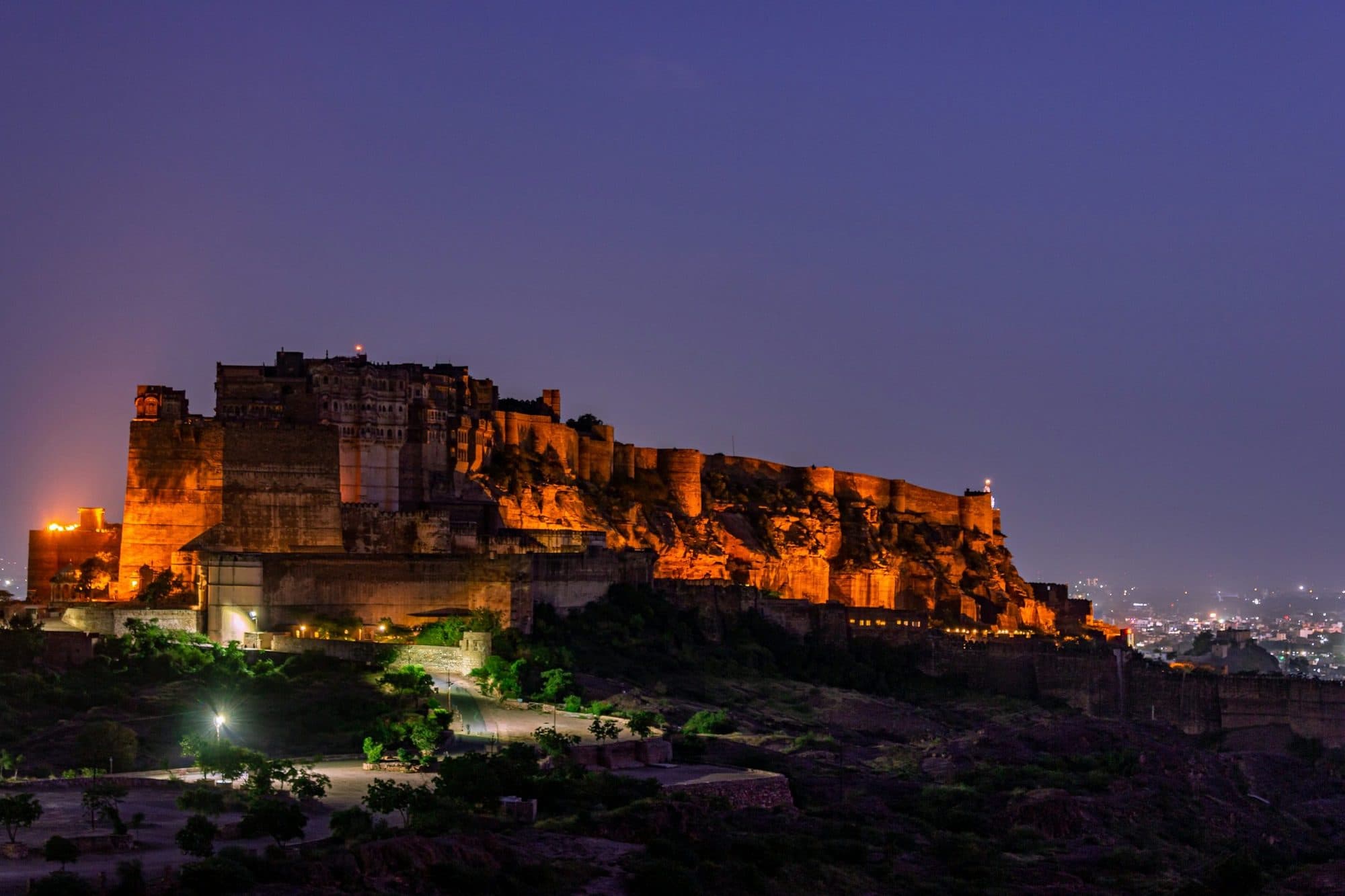
Mehrangarh Fort above a blue-washed old city, and the gateway to Jaisalmer and the Thar Desert.
Best: Nov–Feb
Share your dates, who's travelling and what you'd love to see. We'll reply with a day-by-day plan and an itemised quote — no obligation.