
Plan around Monday closures
The Red Fort and Akshardham are usually closed on Mondays. Humayun's Tomb and the Qutb Minar are usually open every day, so a Monday in Delhi suits the tombs of New Delhi, with Old Delhi kept for another day.
Delhi · India's capital
Most Golden Triangle tours begin in Delhi, and a day or two here sets the scene for Agra and Jaipur: Shah Jahan's Red Fort and Jama Masjid, a cycle-rickshaw through the lanes of Chandni Chowk, and the garden tombs and wide avenues of New Delhi. Plan around the traffic and the Monday closures, and the city is easier than its size suggests.
Delhi has been a capital many times over, and its eras stand side by side. The Qutb Minar rose in the early 13th century and Humayun's Tomb around 1570. The Red Fort, Jama Masjid and Chandni Chowk belong to Shahjahanabad, the walled city Shah Jahan built in the mid-17th century, and India Gate and the avenues of New Delhi date from the British capital inaugurated in 1931. Three of them are UNESCO World Heritage Sites: Humayun's Tomb, the Qutb Minar and the Red Fort.
For most travellers, Delhi is where the trip starts and often where it ends. One full day covers the highlights, with Old Delhi in the morning and the tombs and avenues of New Delhi in the afternoon; a second day leaves time for Akshardham, Lodhi Garden and the markets. Crossing the city takes time, so it pays to group the sights by area. From Delhi it is about 230 km to Agra and about 280 km to Jaipur, the other two corners of the Golden Triangle.
What to see
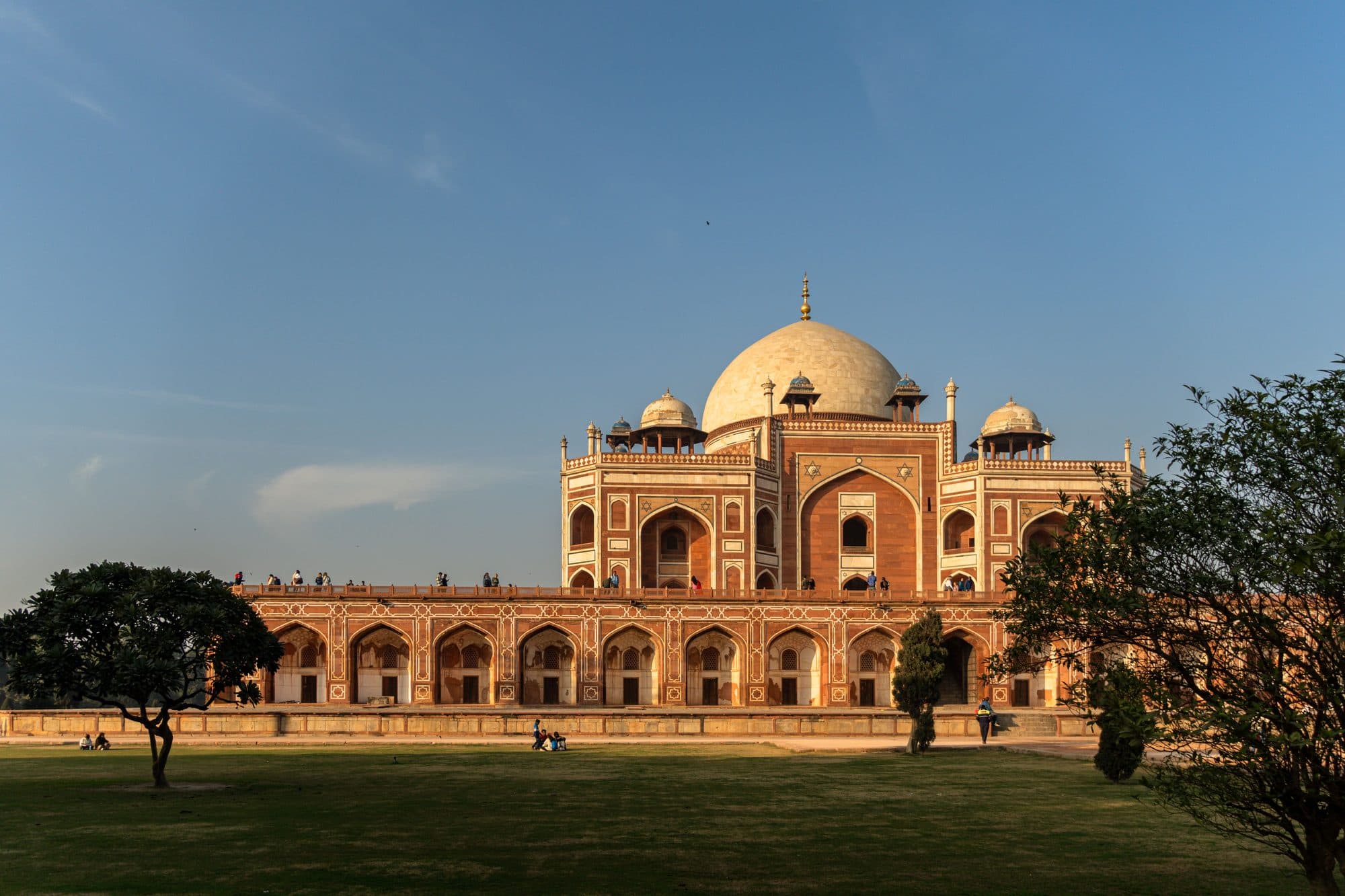
The tomb of the Mughal emperor Humayun, built around 1570 in red sandstone and white marble and set in a walled garden divided by water channels. It is a UNESCO World Heritage Site, and you can see in it the ideas that later shaped the Taj Mahal. Come in the late afternoon, when the light is soft on the stone.
A fluted sandstone tower about 73 metres high, begun in the early 13th century and banded with carved inscriptions. The complex around it, a UNESCO World Heritage Site, also holds the ruins of the Quwwat-ul-Islam mosque and an iron pillar more than 1,500 years old that is famous for resisting rust.
Shah Jahan's palace-fortress, finished in 1648 behind walls of red sandstone, with marble halls inside where the emperor held court. It is a UNESCO World Heritage Site, and every Independence Day, 15 August, the Prime Minister raises the national flag from its ramparts. The Red Fort is usually closed on Mondays.
Shah Jahan's great mosque, completed in 1656 and one of the largest in India, stands on a rise a short walk from the Red Fort, and its courtyard looks out over the rooftops of Old Delhi. Dress modestly, leave your shoes at the steps, and plan around prayer times, when visitors are usually asked to wait.
India Gate, a 42-metre arch completed in 1931, honours soldiers of the British Indian Army who died in the First World War and the Third Anglo-Afghan War. It stands at one end of Kartavya Path, the ceremonial avenue that leads to Rashtrapati Bhavan, the President's residence, and the Republic Day parade passes along it every 26 January. In the evening the lawns fill with Delhi families.
A large Hindu temple complex near the Yamuna in east Delhi, opened in 2005, with a central monument of carved pink sandstone and white marble, exhibitions and gardens. Phones and cameras are not allowed inside, so you leave them at the cloakroom, and it is usually closed on Mondays.
Things to do
Old Delhi's main bazaar street dates from Shah Jahan's time, and the lanes off it still keep to their trades: spices, silver jewellery, wedding cards, fabrics. Your driver drops you at the edge of the old city, and a cycle-rickshaw takes you where cars can't go.
Delhi's best-known Sikh gurdwara, linked to the eighth Sikh Guru, Guru Har Krishan, runs a langar (a community kitchen) that serves free vegetarian meals to anyone who comes. Cover your head (scarves are usually available at the entrance), leave your shoes at the counter, and you're welcome to sit and eat with everyone else.
A park in central Delhi where 15th- and 16th-century tombs of the Sayyid and Lodi sultans stand among lawns and old trees. Delhi's walkers and joggers come early, and it makes a calm hour before a day of sightseeing.
An open-air market where craftspeople from different states sell textiles, metalwork and handicrafts from small stalls, with food stalls serving dishes from across India. It is an easy place to shop for gifts without the crush of the old bazaars.
When to go
October to March is the season for Delhi: October, February and March are mild and clear, while from November to January the mornings are cold and often foggy and the air can be smoggy. April to June is very hot, and July to September is the monsoon, humid between the showers.
Getting there
Local knowledge
The Red Fort and Akshardham are usually closed on Mondays. Humayun's Tomb and the Qutb Minar are usually open every day, so a Monday in Delhi suits the tombs of New Delhi, with Old Delhi kept for another day.
At Jama Masjid, Gurudwara Bangla Sahib and Akshardham, cover your shoulders and knees and expect to leave your shoes at the entrance. Carry a scarf: everyone covers their head inside the gurdwara, and it is useful at the mosque too.
From about November to January, Delhi's mornings are often foggy and the air can be smoggy. If anyone in your group has asthma or a heart condition, check the daily air quality index (AQI) and consider keeping your time in Delhi short.
Tours
 5 days / 4 nights
Delhi → Agra → Jaipur
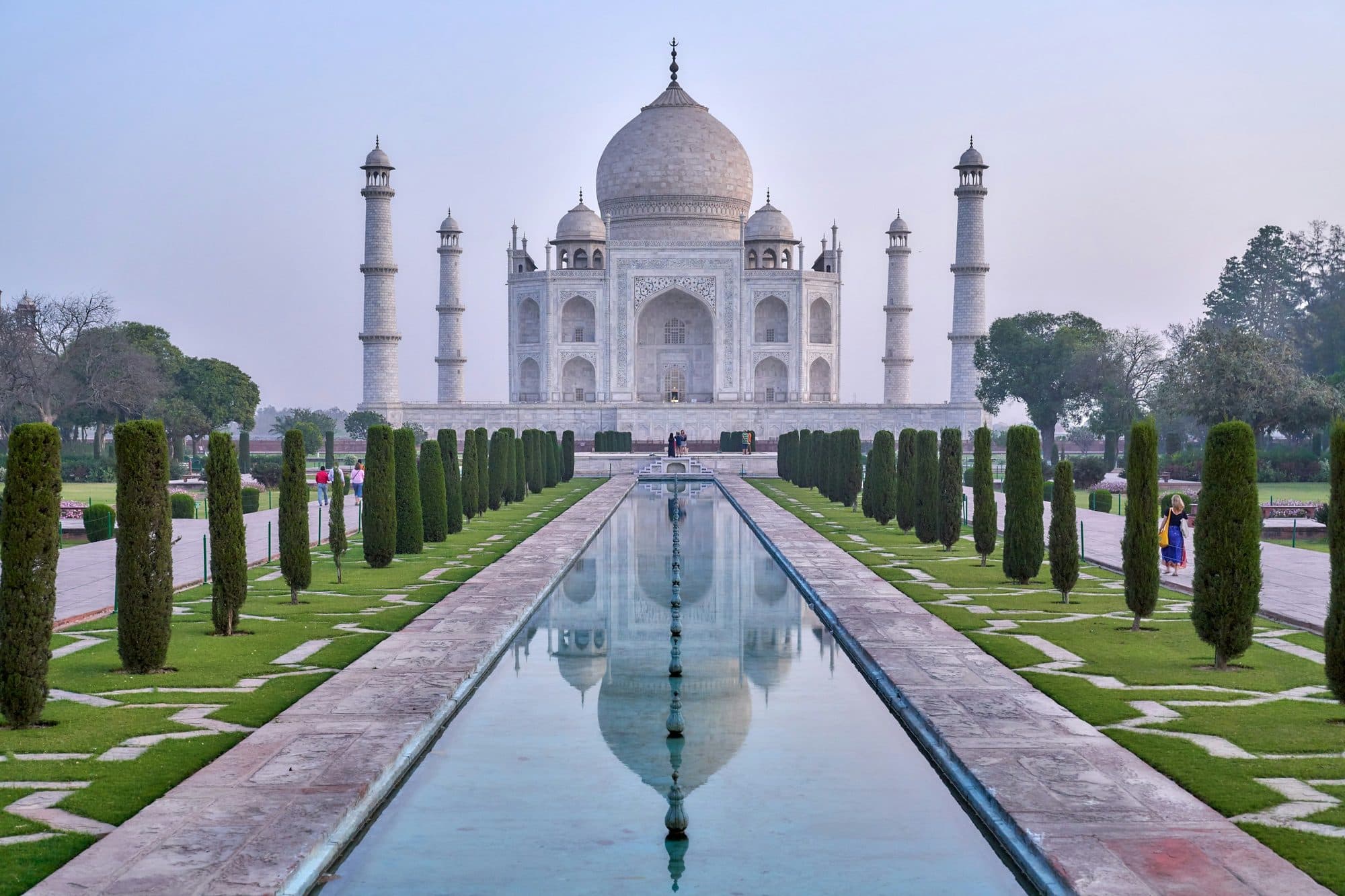
Five days by private car through Delhi, Agra and Jaipur, with the Taj Mahal at sunset and again at sunrise.
 7 days / 6 nights
Delhi → Agra → Ranthambore → Jaipur
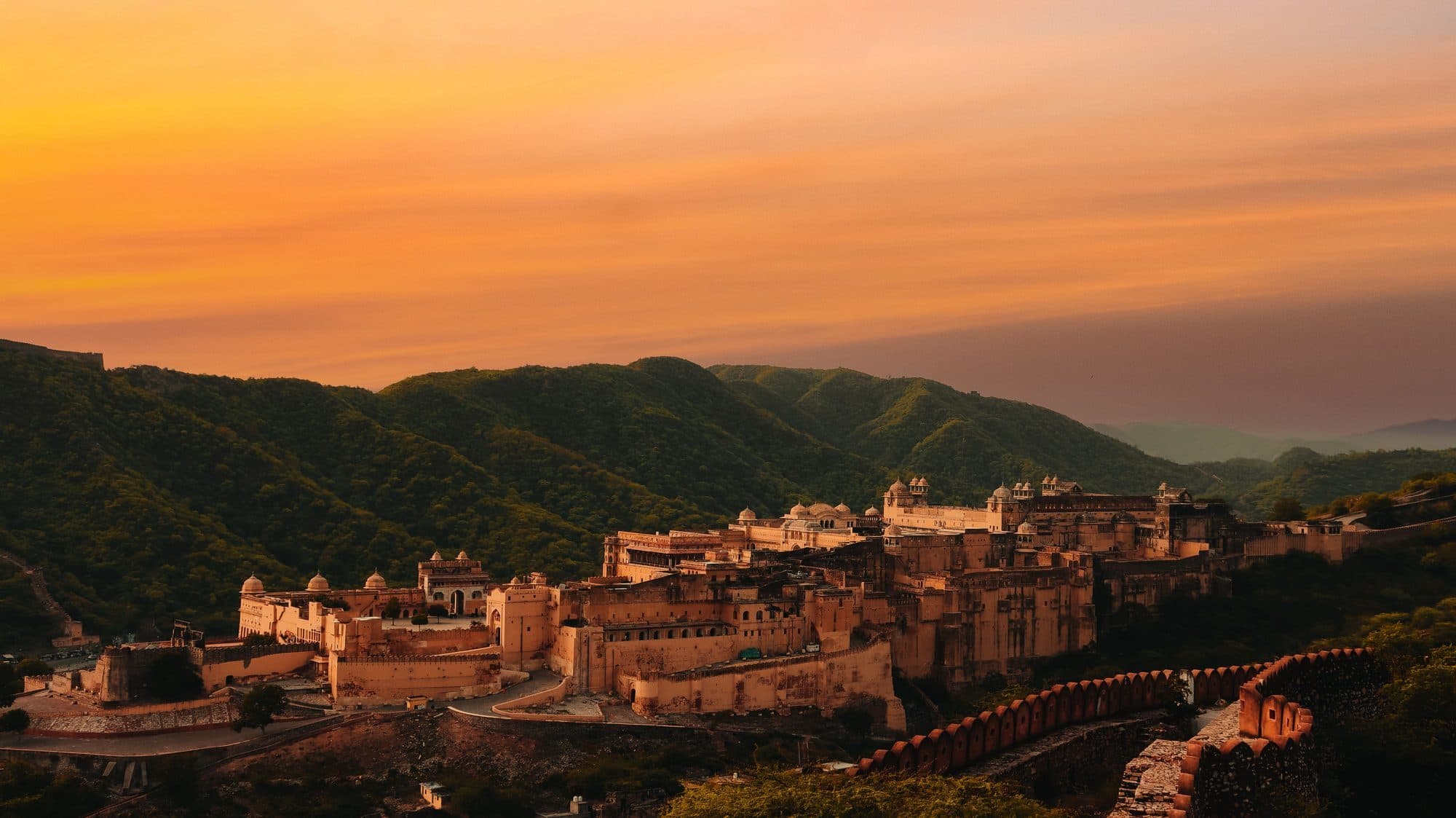
Delhi, Agra and Jaipur with two nights in Ranthambore National Park for tiger safaris, in seven days by private car.
 8 days / 7 nights
Delhi → Agra → Jaipur → Udaipur
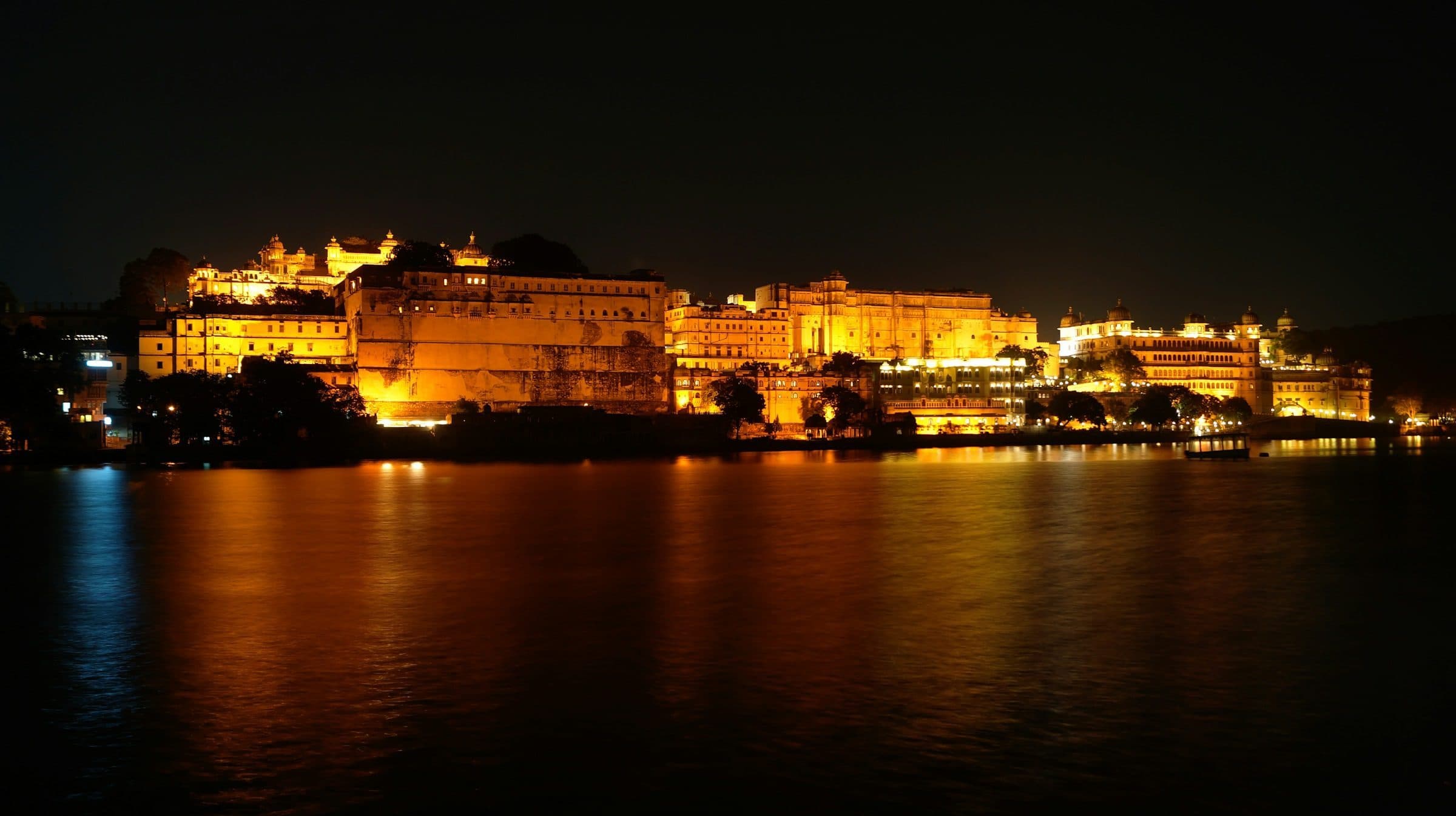
Delhi, Agra and Jaipur, then south via Chittorgarh to Udaipur for three nights by the lakes, in eight days.
Questions
One full day in Delhi covers the main sights: the Red Fort, Jama Masjid and Chandni Chowk in Old Delhi, then Humayun's Tomb, the Qutb Minar and India Gate in New Delhi. Two days let you add Akshardham, Lodhi Garden and the markets without rushing.
No. The Red Fort in Delhi is usually closed on Mondays, and so is Akshardham. Humayun's Tomb and the Qutb Minar are usually open every day, so they suit a Monday.
The best time to visit Delhi is October to March. October, February and March are mild; November to January brings cold, foggy mornings and some smoggy days; April to June is very hot, and July to September is the monsoon.
No. Phones and cameras are not allowed inside Swaminarayan Akshardham in Delhi; visitors leave them at the cloakroom before going in, so plan to see it without taking photographs.
Agra is about 230 km from Delhi by the Yamuna Expressway, roughly 3.5–4 hours by car, or about 2 hours on the fastest trains. On a Golden Triangle tour you usually leave Delhi in the morning and reach Agra in time to see the Taj Mahal at sunset.
Combine it with
Uttar Pradesh
Home of the Taj Mahal
The Taj Mahal, Agra Fort and Fatehpur Sikri: three UNESCO World Heritage Sites within about an hour of each other on the Golden Triangle.
Best: Feb–Mar, Oct–Nov
Rajasthan
The Pink City
Rajasthan's capital, with Amer Fort, the walled Pink City, Jantar Mantar and bazaars full of textiles and gems.
Best: Nov–Feb

Rajasthan
One of India's best-known tiger reserves, with open-vehicle safaris and a hill fort inside the park, an easy drive from Jaipur.
Best: Nov–Mar
Share your dates, who's travelling and what you'd love to see. We'll reply with a day-by-day plan and an itemised quote — no obligation.