
Book safaris early
Ranthambore's safari permits are limited and sell out in the winter months and on holidays. Fix your dates as early as you can, and the safaris can be included in your quote.
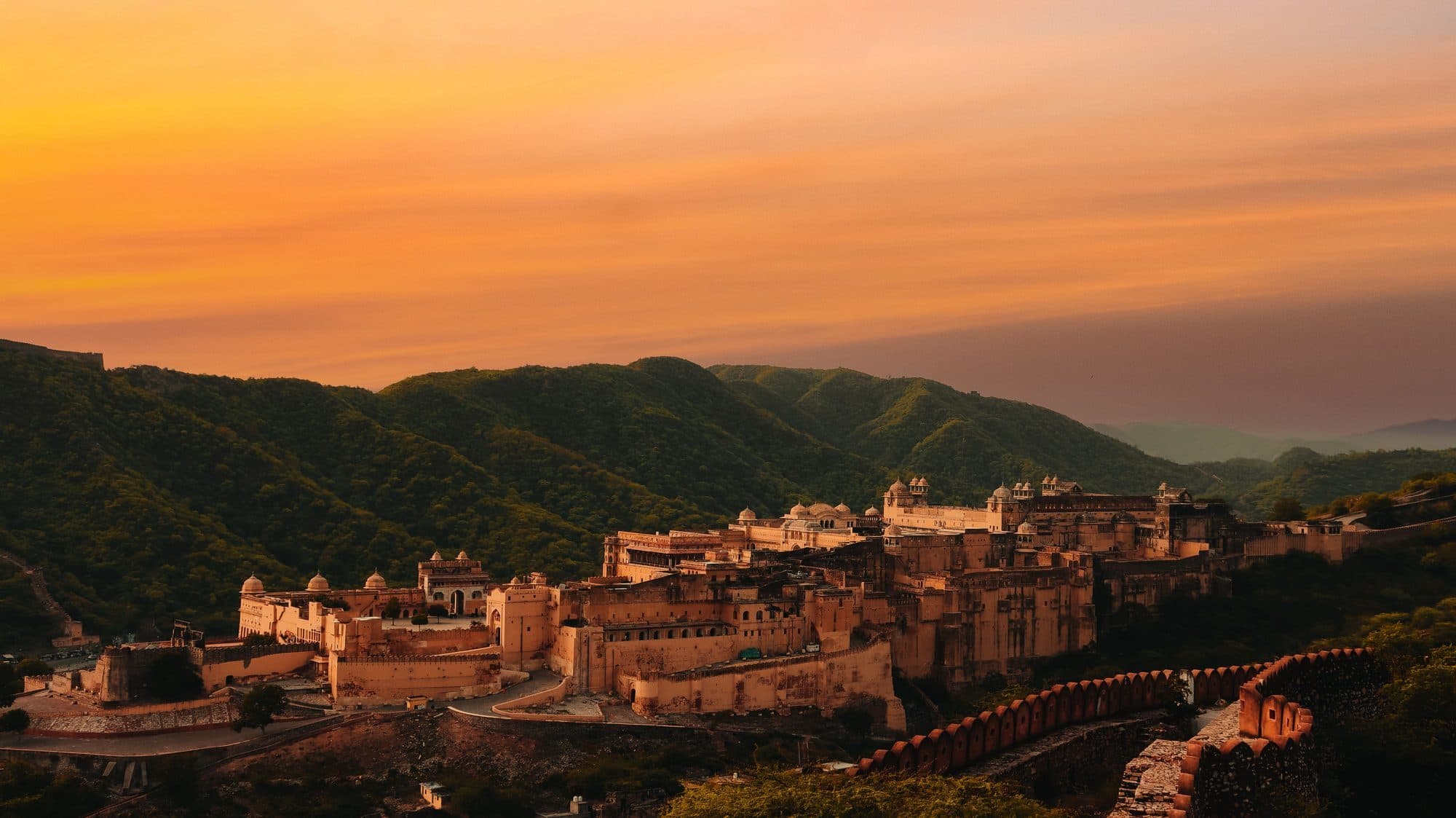
Golden Triangle · 7 days / 6 nights
The Golden Triangle with two nights in the forests of Ranthambore, where you take two or three safaris in one of India's best-known tiger reserves. Nobody can promise a tiger, but the park, its lakes and its old hill fort are worth the detour. This is a sample itinerary, and every day can change.
Highlights
The route
Travel is in a private air-conditioned car with your own driver from Vibrantcar, sized for your group and luggage.
Day by day
A sample plan — every day can be changed.
You're met at the airport, the station or your hotel, and the car is yours for the week. With the afternoon free, visit Humayun's Tomb, the garden tomb that foreshadows the Taj Mahal, and the Qutb Minar. If your flight lands late, rest, and pick the Delhi sights that matter most to you before the drive to Agra.
Overnight: Delhi
Delhi → Agra · about 230 km, 3.5–4 hours
Spend the morning in Old Delhi: the Red Fort, Jama Masjid and a cycle-rickshaw through the bazaars of Chandni Chowk. Then take the Yamuna Expressway to Agra in time to watch the Taj Mahal at sunset from Mehtab Bagh, on the opposite bank of the river.
Overnight: Agra
Agra → Ranthambore · about 260 km, 5–6 hours
Walk through the Taj Mahal's gates at sunrise, when the grounds are at their calmest, and see Agra Fort after breakfast. Then drive south-west to Sawai Madhopur, the town at the edge of Ranthambore National Park, with a stop at Fatehpur Sikri if you'd like it, arriving in the evening.
Overnight: Ranthambore
Go out on a morning safari and again in the afternoon, by gypsy (a six-seat open jeep) or canter (an open-topped bus with about 20 seats). Tigers are seen on some drives and not on others; the dry forest, its lakes, old ruins and birdlife are worth the drive whatever turns up. Rest at the hotel between the two.
Overnight: Ranthambore
Ranthambore → Jaipur · about 180 km, 3.5–4 hours
Take a third safari at dawn, or visit Ranthambore Fort, the hill fort inside the park and a UNESCO World Heritage Site, instead. After lunch, drive to Jaipur and spend the evening in the bazaars of the walled city.
Overnight: Jaipur
Start early at Amer Fort above Maota Lake, passing Jal Mahal on the way. In the afternoon, see the City Palace, the giant stone instruments of Jantar Mantar and the Hawa Mahal, and end with the view over the city from Nahargarh Fort.
Overnight: Jaipur
Jaipur → Delhi · about 280 km, 5–6 hours
A free morning in Jaipur, then the drive back to Delhi. Your driver takes you to the airport for an evening or night flight, or to your hotel.
What's in the price
Usually included
Not included
Your quote lists exactly what is included for your dates and hotels.
Best time to go
October to June, outside the monsoon closure of Ranthambore's core zones (roughly July to September). October to March is the most comfortable time for the cities and the safaris; April to June is very hot, though some visitors choose it because the forest is thinner and animals gather at the water.
Good to know
Ranthambore's safari permits are limited and sell out in the winter months and on holidays. Fix your dates as early as you can, and the safaris can be included in your quote.
From December to February, dawn safaris in open vehicles are cold. Bring a warm jacket, a hat and gloves, and wear muted colours rather than bright ones.
The Taj Mahal is closed on Fridays, so we arrange the days so that your Agra morning falls on another day, running the trip in the opposite direction if that suits your dates better.
Questions
No one can promise a tiger sighting in Ranthambore: tigers are wild, and some safaris see one while many don't. Taking two or three safaris improves your chances, and the forest, lakes and birdlife make the drives worthwhile either way.
Two or three safaris suit most travellers in Ranthambore: a morning and an afternoon drive on your full day there, and a third the next morning if you'd like. Each Ranthambore safari lasts about three hours.
Ranthambore National Park's core zones close for the monsoon, roughly from July to September, and the forest department sets the exact dates each year. Plan a Golden Triangle with Ranthambore between October and June.
On a Ranthambore safari, a gypsy is a six-seat open jeep and a canter is an open-topped bus with about 20 seats. A gypsy is quieter and more private, which most couples and families prefer; a canter suits larger groups.
The Golden Triangle with Ranthambore takes about seven days: a night each in Delhi and Agra, two nights in Ranthambore for two or three safaris, and two nights in Jaipur before the drive back to Delhi.
Also consider
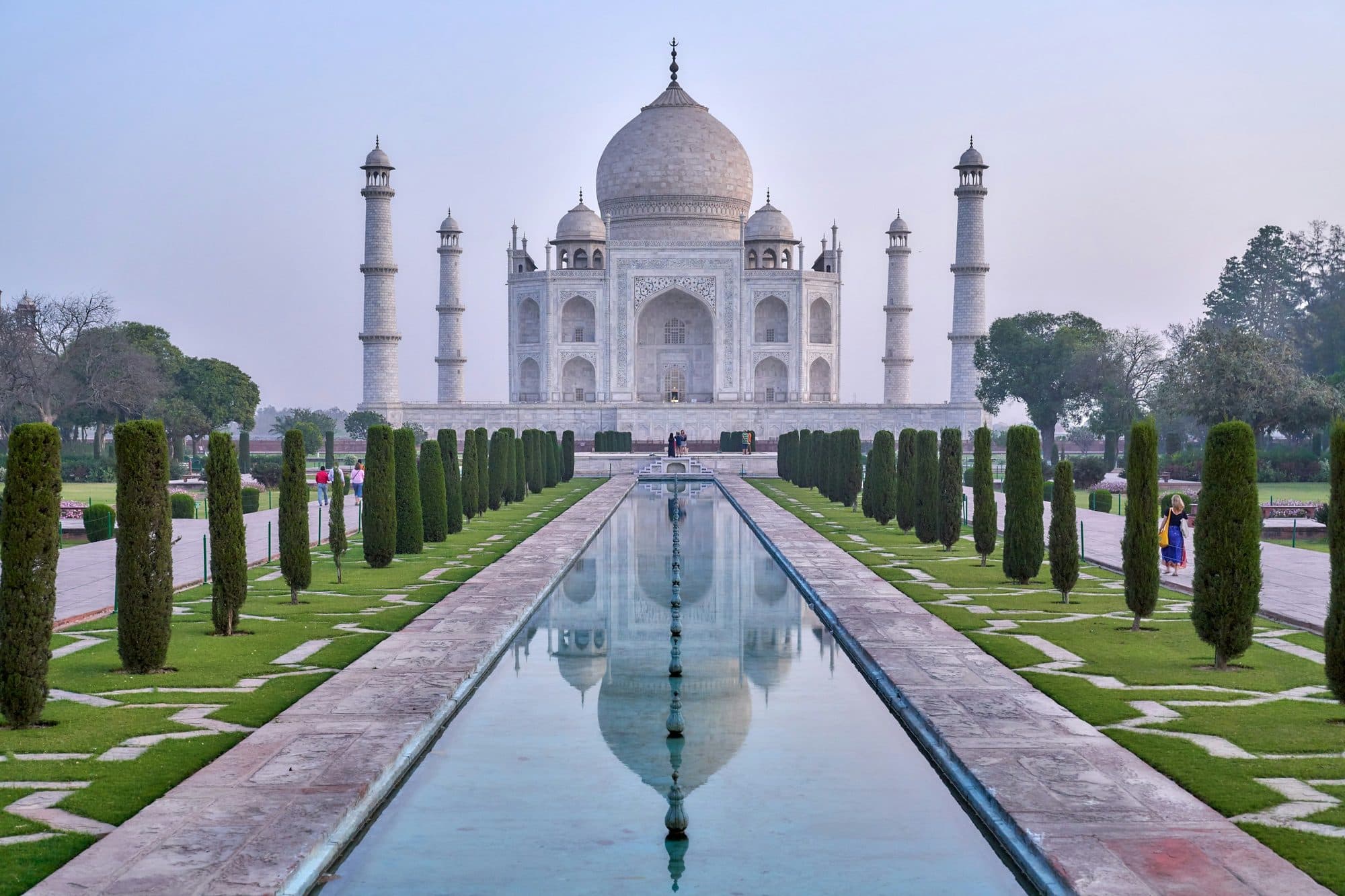 5 days / 4 nights
Delhi → Agra → Jaipur
Five days by private car through Delhi, Agra and Jaipur, with the Taj Mahal at sunset and again at sunrise.
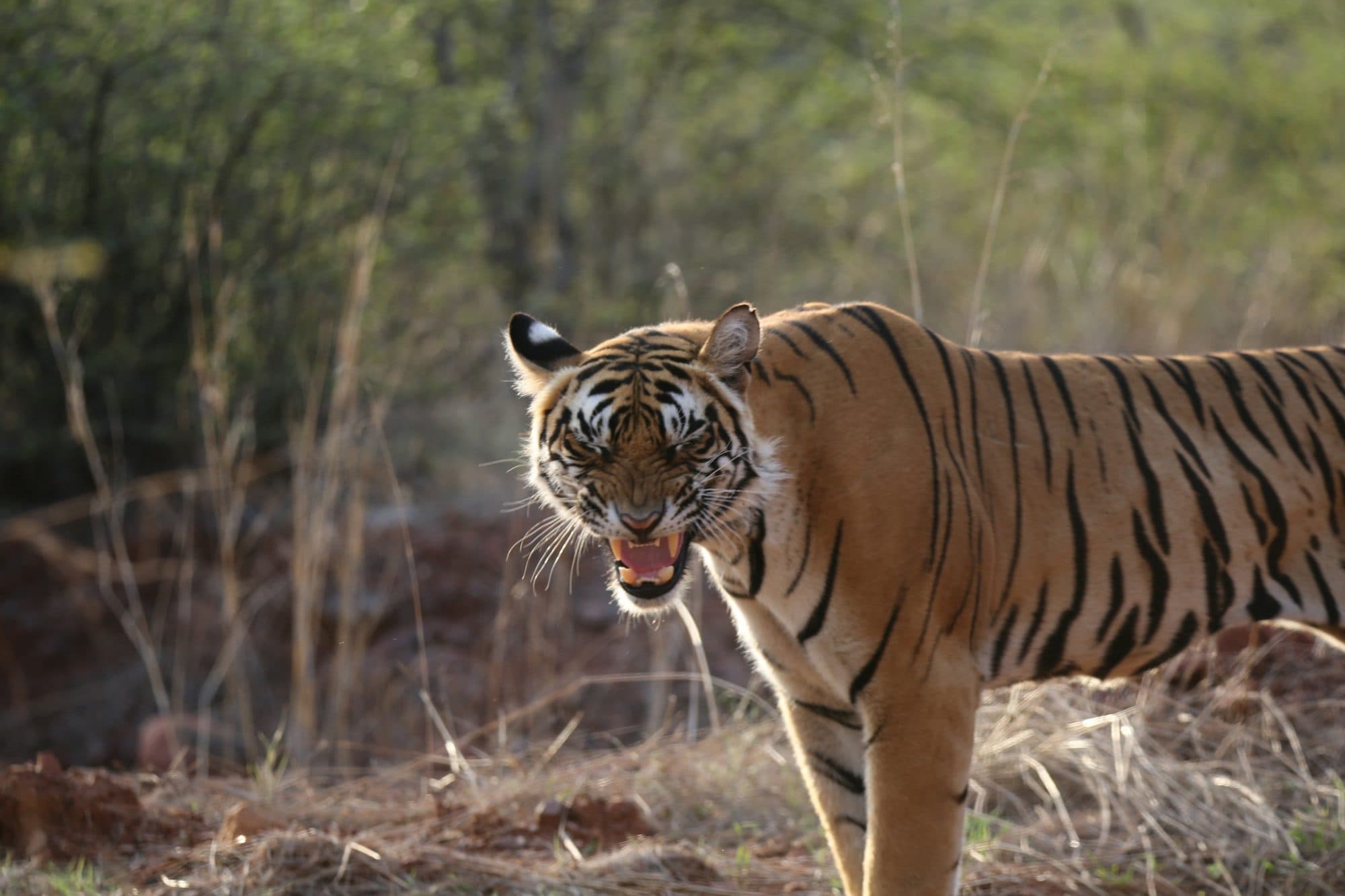 3 days / 2 nights
Jaipur → Ranthambore
Three days from Jaipur to Ranthambore National Park, with three safaris by gypsy or canter and a visit to Ranthambore Fort and the Trinetra Ganesh temple.
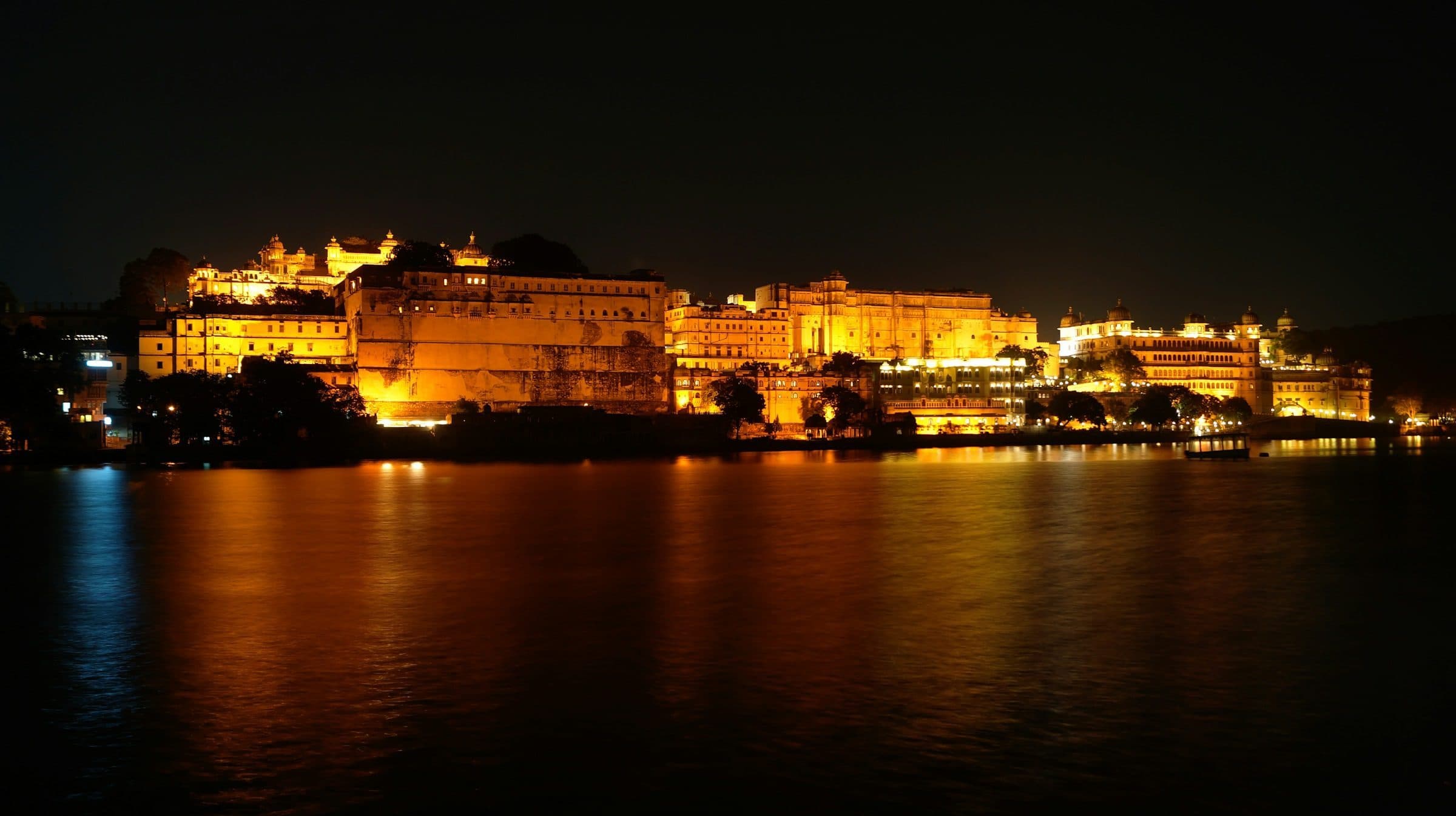 8 days / 7 nights
Delhi → Agra → Jaipur → Udaipur
Delhi, Agra and Jaipur, then south via Chittorgarh to Udaipur for three nights by the lakes, in eight days.
Share your dates, who's travelling and what you'd love to see. We'll reply with a day-by-day plan and an itemised quote — no obligation.