
Book permits early
Permits are sold on the forest department's official website, usually from about three months ahead, and weekends and holidays sell out. Ignore other sites offering confirmed permits.
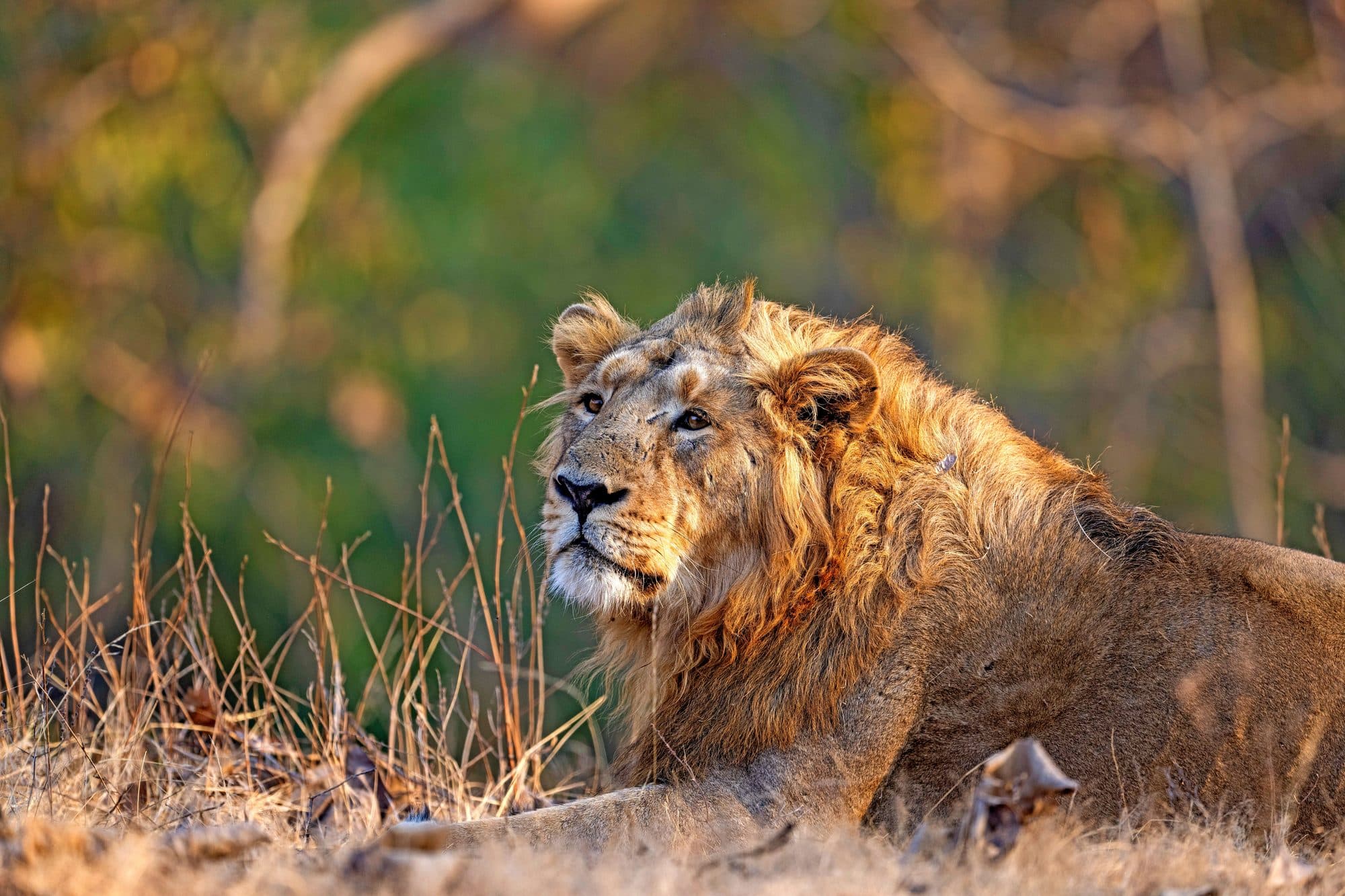
Gujarat · Home of the Asiatic lion
The Gir forest of Saurashtra is the last wild home of the Asiatic lion. Stay at Sasan Gir and go out in an open jeep with a forest guide; two or three safaris give you the best chance, though no one can promise a sighting.
Asiatic lions once ranged from the Middle East across northern India. By the early 20th century only a few survived, in the Gir forests protected by the Nawabs of Junagadh, and decades of protection have since brought them back. They now range across Gir and the countryside around it, still the only place in the world where they live in the wild.
Gir is dry deciduous forest of teak and scrub, also home to leopards, chital and sambar deer, nilgai, marsh crocodiles and many birds, and to the Maldharis, herders who have lived alongside the lions for generations. Safaris start from Sinh Sadan, the forest department's reception at Sasan Gir, and the park closes from 16 June to 15 October.
What to see
Safaris run in an open gypsy (a small four-wheel-drive jeep) with a forest guide, in morning and afternoon slots on set routes. Each permit covers up to six adults and one child.
The Gir Interpretation Zone, about 13 km from Sasan, is a fenced area of Gir forest with lions, leopards and deer, toured by forest department bus or jeep. Sightings are more likely here; it is closed on Wednesdays and usually stays open through the monsoon.
A reservoir on the Hiran river inside the park, known for marsh crocodiles and water birds, and seen only on safari routes that pass it.
About 60 km away, Junagadh has the Uparkot fort with Buddhist caves, and a rock inscribed with Ashoka's edicts. Above it, Girnar's Jain and Hindu temples are reached by thousands of steps, or by ropeway to the Ambaji temple.
Things to do
Lions rest in the heat of the day and sightings come down to luck, so book two or three slots, mixing early morning and late afternoon, and add Devalia for a more reliable sighting.
Forest, river and reservoir make Gir good for birds: eagles and other raptors, owls, woodpeckers and, in winter, migrants.
In May and June the orchards around Talala harvest Gir Kesar mangoes, a variety with a Geographical Indication tag, sold by the box at roadside stalls.
When to go
December to March is the most comfortable time for safaris. The park usually opens on 16 October and closes on 15 June; April and May are hot, but animals gather near water and sightings can be good.
Getting there
Local knowledge
Permits are sold on the forest department's official website, usually from about three months ahead, and weekends and holidays sell out. Ignore other sites offering confirmed permits.
Permits are in the travellers' names and the ID is checked at Sinh Sadan. Report about 30 minutes before your slot, or you can lose the safari.
Wear muted colours, keep voices low and stay in the vehicle; winter mornings are cold in an open jeep.
Questions
No. Gir National Park is the only place where Asiatic lions live in the wild, but no safari can promise a sighting. Booking two or three safaris and adding Devalia Safari Park gives you the best chance.
Gir National Park's safaris close for the monsoon from 16 June to 15 October each year. Devalia Safari Park, the fenced Gir Interpretation Zone near Sasan, usually stays open then but is closed on Wednesdays.
Gir safari permits are booked on the Gujarat Forest Department's official website, usually up to three months ahead. Each permit is for one slot in an open jeep with a forest guide, for up to six adults and one child.
The best time to visit Gir is December to March, when the weather suits safaris. April and May are hot, but animals stay near water, which can help sightings.
Sasan Gir is about 45 km from Somnath, about an hour by road, so the two are often combined.
Combine it with
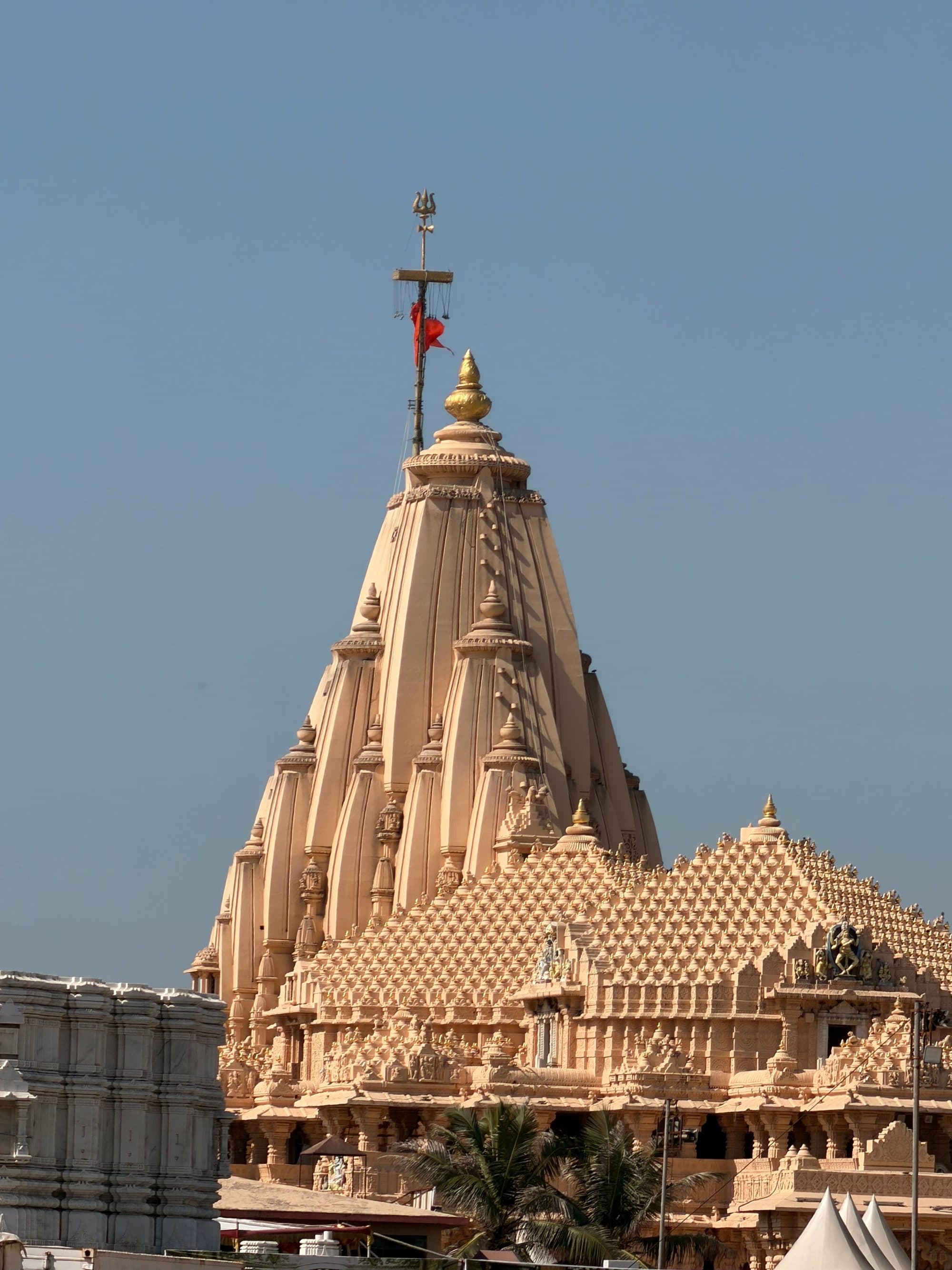
Gujarat
The first of the twelve Jyotirlingas
Shiva's shore temple at Prabhas Patan, revered as the first of the twelve Jyotirlingas, with an evening aarti and light and sound show by the Arabian Sea.
Best: Nov–Feb
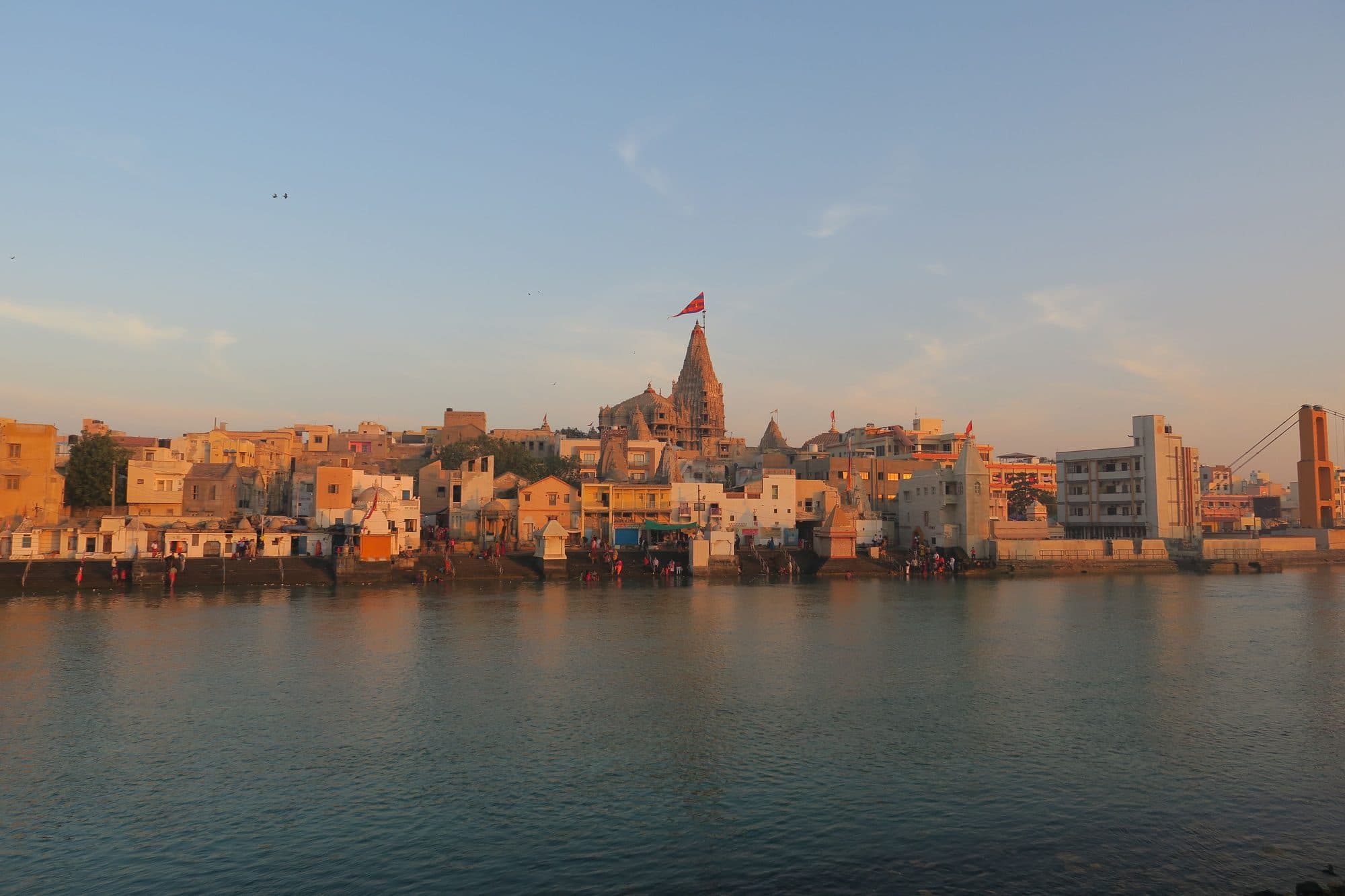
Gujarat
One of the Char Dham
Krishna's city on the Arabian Sea and one of the Char Dham, with the Dwarkadhish temple, Gomti Ghat, Bet Dwarka and Nageshwar.
Best: Nov–Feb
Share your dates, who's travelling and what you'd love to see. We'll reply with a day-by-day plan and an itemised quote — no obligation.