How many days you need
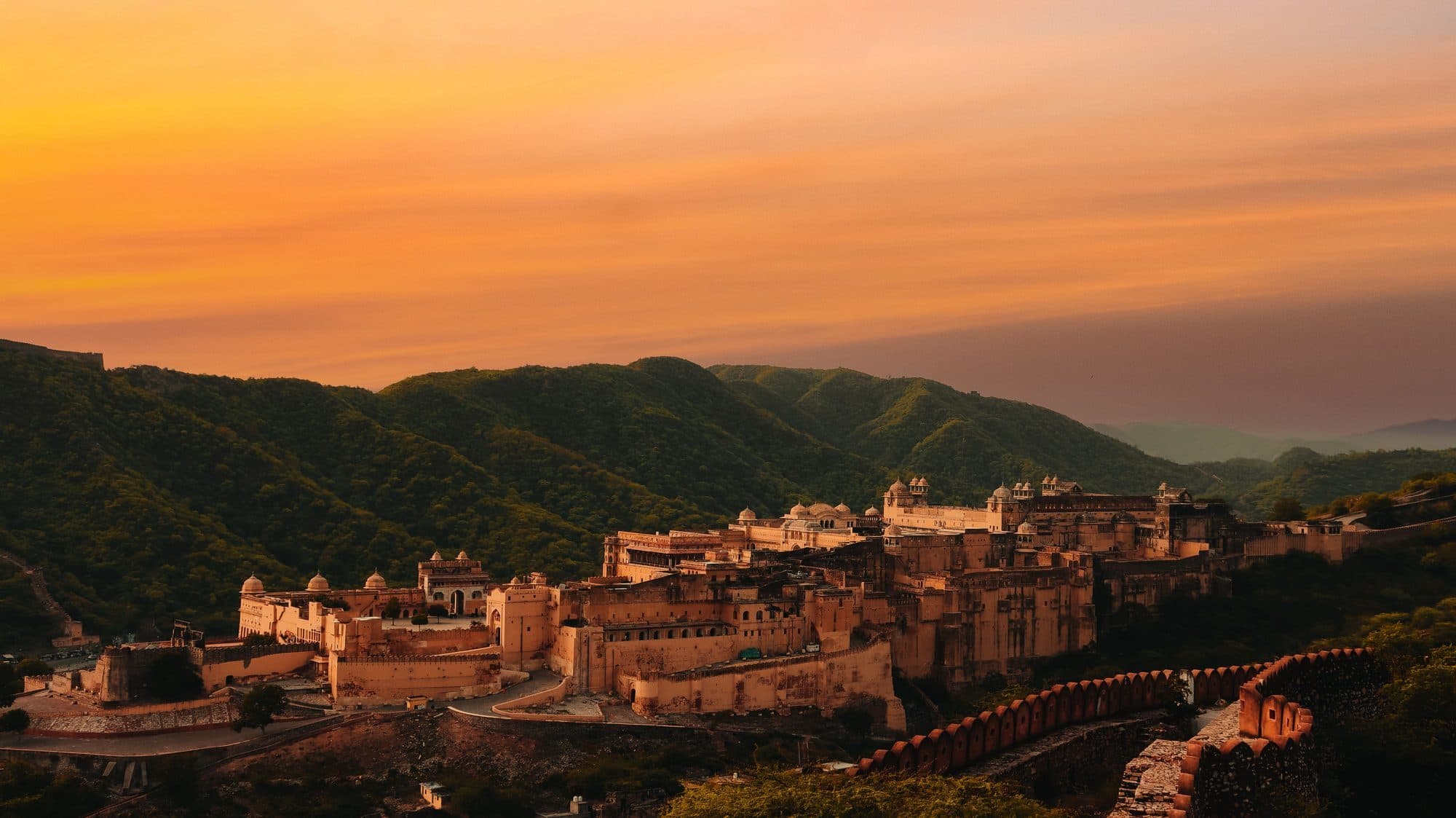
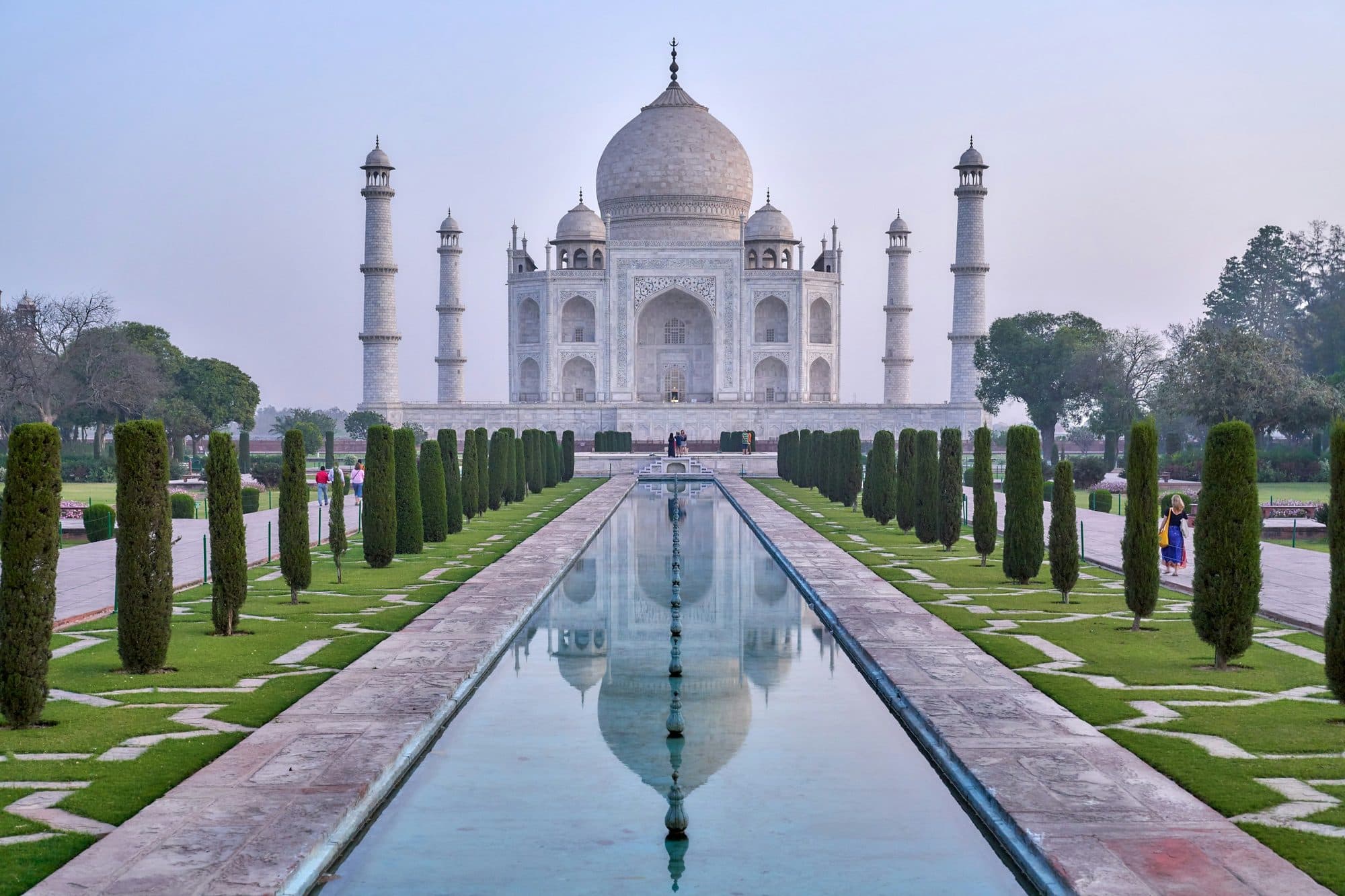
The Golden Triangle is the classic first trip to India: Delhi, Agra and Jaipur, three cities joined by drives of about 230 to 280 km each. In and around Agra you see the Taj Mahal, Agra Fort and Fatehpur Sikri; in Delhi, Humayun's Tomb, the Qutb Minar and the Red Fort; and in Jaipur, the walled city, Jantar Mantar and Amer Fort. All of them are on UNESCO's World Heritage list.
Each drive takes half a day or more, so the real question is how much time you leave for the sights in between.
| Length | What it allows | How it feels |
|---|---|---|
| 3 days | One night each in Agra and Jaipur; Delhi only in passing | A rush: much of the trip is spent on the road |
| 4 days | An afternoon and a sunrise in Agra, a full day in Jaipur and a few hours of Delhi at the end | Workable, with long days |
| 5 days | A full day in Delhi, an afternoon and a sunrise in Agra, a day and a half in Jaipur | Comfortable, and the length we suggest for a first visit |
| 6–7 days | Two nights in Ranthambore for tiger safaris, or Udaipur at the end | Relaxed, with a break from the cities |
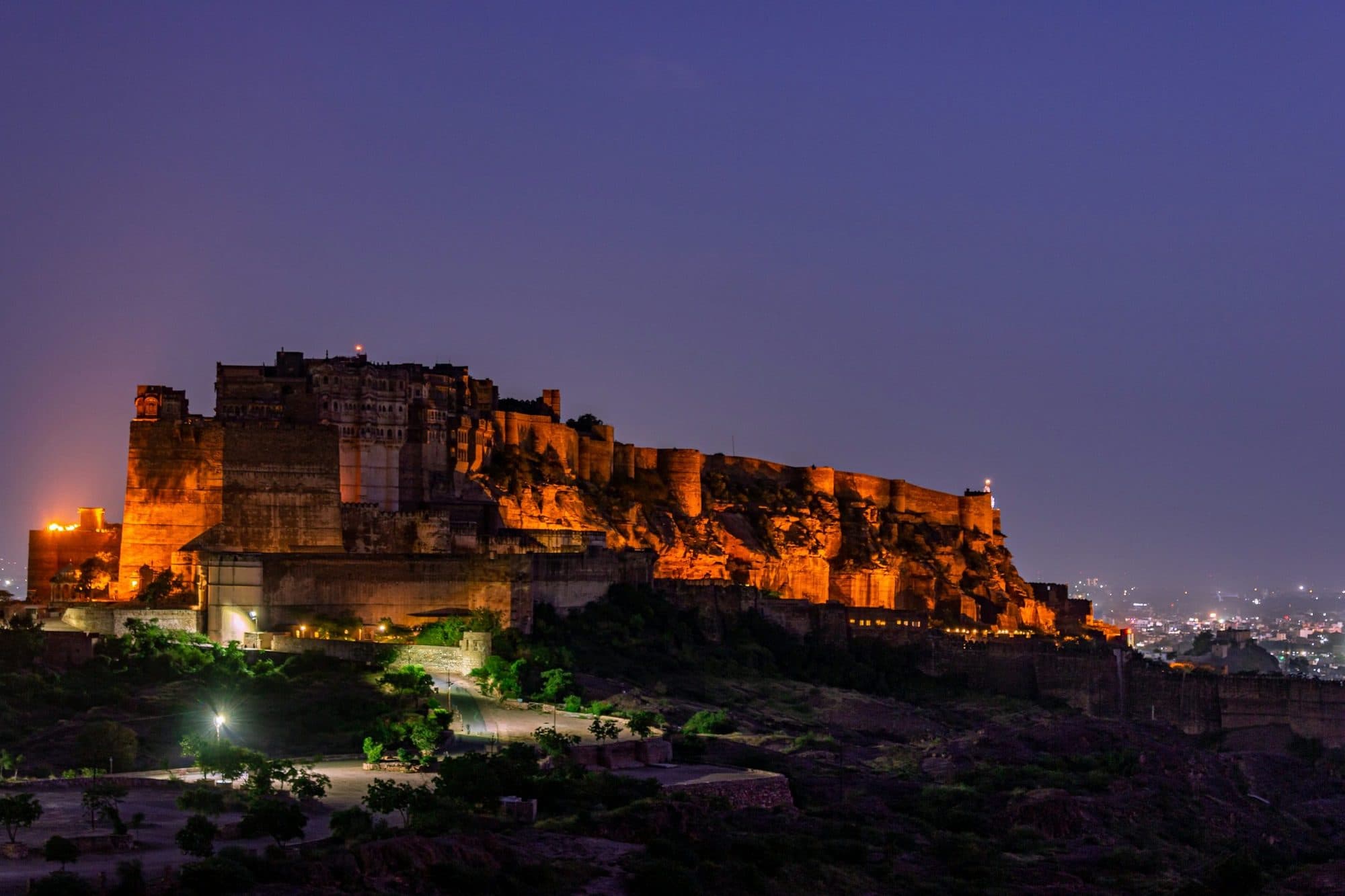
| 8 days or more | Add Pushkar or Jodhpur by road; Varanasi is possible by flight | A fuller first trip to north India |
Our sample Golden Triangle tour is a starting point: every day of it can be changed to suit your flights, your pace and the Taj Mahal's Friday closure.
Which way round to go
Most Golden Triangle trips run Delhi → Agra → Jaipur → Delhi, for good reasons:
- Delhi has north India's main international airport, so it is the natural place to start and finish.
- Agra is the easiest first drive: about 230 km (3½–4½ hours), most of it on the Yamuna Expressway, so with a morning start you reach Agra by lunch.
- The Agra–Jaipur road has the stops worth making. Fatehpur Sikri and the Abhaneri stepwell are on or just off the highway, which makes it the most interesting day on the road.
- Jaipur is on the airport side of Delhi. The highway from Jaipur passes Indira Gandhi International Airport before it reaches the city, so the last day can end at the airport without crossing Delhi's traffic.
The loop works just as well the other way round, Delhi → Jaipur → Agra → Delhi. Choose it when the Taj Mahal's Friday closure falls badly (see below) or if you would like to finish with the Taj. You can also start or end in Jaipur, which has its own airport with domestic and some international flights.
A five-day plan, day by day
This is the pace we suggest for a first visit. It assumes you are in Delhi on the morning of Day 1; many international flights land late at night, so book that first night too.
| Day | Route | What you see | Night |
|---|---|---|---|
| 1 | Delhi | Old Delhi in the morning: the Jama Masjid, a cycle-rickshaw ride through Chandni Chowk and the Red Fort (usually closed on Mondays). New Delhi after lunch: Humayun's Tomb, India Gate and the Qutb Minar | Delhi |
| 2 | Delhi → Agra, about 230 km (3½–4½ hours) | Agra Fort and Itimad-ud-Daulah, the “Baby Taj”, in the afternoon; the evening light on the Taj Mahal from Mehtab Bagh, the garden across the river | Agra |
| 3 | Agra → Jaipur, about 240 km (4–5 hours, plus stops) | The Taj Mahal at sunrise; Fatehpur Sikri and the Chand Baori stepwell at Abhaneri on the way | Jaipur |
| 4 | Jaipur | Amer Fort in the morning; the City Palace, Jantar Mantar and Hawa Mahal; the bazaars of the walled city in the evening | Jaipur |
| 5 | Jaipur → Delhi, about 280 km (4½–6 hours) | A free morning for shopping or the Albert Hall Museum, then the drive to Delhi's airport or your hotel | — |
Day 3 is the long one: the Taj at first light, breakfast back at the hotel, then the road west with two stops, reaching Jaipur by early evening. To keep it gentler, skip Abhaneri or add a night in Jaipur.
Fatehpur Sikri and Abhaneri on the road to Jaipur
Fatehpur Sikri, about 40 km west of Agra on the Jaipur road, is the red sandstone city the Mughal emperor Akbar built as his capital in the late 1500s. Its palaces and courtyards are remarkably complete, and the great mosque is entered through the towering Buland Darwaza. Inside its courtyard, the white marble tomb of the Sufi saint Salim Chishti draws pilgrims who tie threads to its screens with a wish. Allow 1½–2 hours.
Abhaneri, a short detour off the highway about 95 km from Jaipur, is home to the Chand Baori, a square stepwell more than a thousand years old whose flights of steps zigzag down about 13 levels. You see it from the galleries around the top, and the carved Harshat Mata temple stands next door. Most people spend 45 minutes to an hour here.
Keen birdwatchers can add Keoladeo National Park at Bharatpur, a UNESCO-listed wetland on the same road. It is at its best in winter, when migratory birds arrive, and deserves a night of its own rather than a quick stop.
The Taj Mahal: Fridays, sunrise and sunset
Closed on Fridays
The Taj Mahal is closed to sightseeing visitors every Friday, when the mosque in its grounds is used for Friday prayers. It is the first date to check when you plan the trip, because the rest of the route has to fit around it.
Agra Fort, Itimad-ud-Daulah, Mehtab Bagh and Fatehpur Sikri usually stay open on Fridays, so a Friday in Agra is not wasted. If your Taj visit would fall on a Friday, there are three easy fixes:
- See the Taj the afternoon you arrive. Reach Agra on Thursday, visit the Taj that afternoon and see Agra Fort on Friday morning before driving on.
- Reverse the loop. Going Delhi → Jaipur → Agra → Delhi moves your Agra day later in the week.
- Add or move a night in Delhi or Jaipur to shift everything by a day.
Sunrise or sunset?
The Taj usually opens shortly before sunrise and closes shortly before sunset; check the current timings for your dates. Both ends of the day are good, but they feel different.
- Sunrise is cooler and calmer. The first hour is the least crowded, and the marble shifts from soft pink to white as the light comes up. Staying the night in Agra makes it easy. On some December and January mornings, fog hides the dome for the first hours, so keep some slack in the plan.
- Afternoon brings warm, golden light and more people. Because the gates close before sunset, you see the late light rather than the sunset itself; for the sunset, go to Mehtab Bagh across the river.
With an afternoon and a morning in Agra, as in the plan above, you can have both. Allow 2–3 hours inside the Taj complex. Ordinary vehicles are not allowed near the monument, so the last stretch from the car park is on foot or by electric bus or cart. Security is strict and many items are not allowed in, including food and tripods, so carry the minimum. A licensed guide, which we can arrange, explains the inlay work and the story of Shah Jahan and Mumtaz Mahal.
Car or train
Fast trains link Delhi with Agra in about two hours and with Jaipur in about four to five, and a train ride can be an enjoyable part of the trip. For the whole circuit, though, a private car is usually simpler:
- Door to door. No transfers to and from stations and no lifting bags onto trains; your luggage stays in the car.
- The stops come with it. Fatehpur Sikri and Abhaneri are only practical by road, and trains between Agra and Jaipur are fewer and not much quicker than driving.
- Your own timings. Leave when you are ready, stop for tea or photographs, and change the plan if someone is tired or unwell.
- Easier with children, older travellers and groups, who can rest between sights instead of waiting on platforms.
The road has its costs too: leaving or entering Delhi can add an hour in traffic, and each travel day means 3½–6 hours in the car. A good mix is the morning train from Delhi to Agra, with your car meeting you at Agra station for the rest of the trip. Popular trains fill up, so book as early as you can.
Our cars are chauffeur-driven sedans, SUVs, tempo travellers (12- to 17-seat minibuses) and coaches from Vibrantcar, the group's car rental business, and the same car and driver usually stay with you for the whole tour. If this is your first time in India, read our tips for first-time visitors too.
Adding Ranthambore, Udaipur and more
Six or seven days lets you add one more place without rushing:
- Ranthambore for tiger safaris. It fits between Agra and Jaipur (Agra to Ranthambore is about 5–6 hours by road) or as a detour from Jaipur, about 180 km away (3½–4 hours). Two nights give time for two or three safaris in open six-seat jeeps or larger open buses called canters. Permits are limited, so book early; the core zones usually close for the monsoon, roughly July to September; and no one can promise a tiger. More in Ranthambore and Golden Triangle with Ranthambore.
- Udaipur for lakes and palaces. It is about 400 km from Jaipur (6–7 hours), a long day that many people break with a stop at Chittorgarh's hilltop fort or a night in Pushkar, or skip by flying; from Udaipur you can fly back to Delhi. More in Udaipur and Golden Triangle with Udaipur.
- Pushkar, a small holy town around a lake, about 145 km from Jaipur (2½–3 hours). One night is enough for the ghats (steps down to the water), the Brahma temple and the evening aarti, a prayer ceremony with lamps. More in Pushkar.
Varanasi is possible by flight if you have more time. To go deeper into Rajasthan from Jaipur, see our Rajasthan itinerary guide.
The best time of year
October to March is the best time for the Golden Triangle: dry, sunny days and cool evenings. November to February is the most pleasant and the busiest, so book early, especially for Christmas and New Year.
- December and January bring cold mornings and, on some days, thick fog in Delhi and Agra that can delay flights and trains and hide the Taj at sunrise. Leave some slack around your Agra day.
- April to June is very hot, often above 40°C by May. Sightsee at dawn and dusk and rest in the middle of the day; the Taj's marble platform gets hot underfoot.
- July to September is the monsoon: heavy showers at times and humid heat, but fewer visitors and green countryside. Ranthambore's core zones are usually closed.
Delhi's air quality is often poor from late October through the winter. If that worries you, keep your Delhi time short and check the air-quality index before you travel. For month-by-month detail, see the best time to visit Rajasthan.
Planning your trip
If you would like help fitting the Golden Triangle around your flights and the Taj Mahal's Friday closure, send us your dates and we will suggest a day-by-day plan with an itemised quote. We plan in English and Hindi, by phone, WhatsApp or email.